
Non-Owner Insurance After DUI Without a Car — Alabama
Free to compare
The Reinstatement Paradox Alabama Creates
You're staring at ALEA's reinstatement checklist: proof of SR-22 insurance, three years of continuous filing, and a stack of fees that total $475 before you even think about coverage premiums. The problem sits at the top of that list. Your car is gone. You sold it two months into the suspension because you couldn't justify insurance payments on a vehicle sitting in your driveway. Now the state is telling you that you cannot get your license back without proving you carry insurance on a car you do not own.
This is not a procedural mistake. Alabama Code § 32-7A-16 requires DUI-suspended drivers to maintain continuous proof of financial responsibility for three years following reinstatement, filed through the SR-22 system. The statute does not care whether you own a vehicle. The filing requirement exists independent of vehicle ownership, and ALEA will not process your reinstatement application without it.
“Alabama suspends your reinstated license immediately if your SR-22 filing lapses — even for a single day during the three-year period.”

Find Alabama Coverage After a DUI
Get My Alabama DUI Insurance Quote$40–$65/mo
Non-Owner SR-22 Premium Range
Alabama non-owner SR-22 policies from non-standard carriers typically cost $40 to $65 per month for drivers with a single DUI. This is significantly less than maintaining coverage on a vehicle you're not driving, and it satisfies ALEA's filing requirement.
Rate estimates from Dairyland, GAINSCO, and The General non-owner SR-22 programs, February 2025
What Non-Owner SR-22 Actually Covers
A non-owner SR-22 policy is liability-only coverage that follows you as a driver, not a specific vehicle. It meets Alabama's minimum liability requirements: $25,000 per person for bodily injury, $50,000 per accident, and $25,000 for property damage. The policy activates when you drive a car you do not own — a rental, a borrowed vehicle, or a friend's car. It does not cover a vehicle registered in your name, and it does not include collision or comprehensive coverage.
The SR-22 certificate itself is a compliance filing that your insurer submits to ALEA electronically. It proves you carry continuous liability coverage. Alabama requires this filing for three years from the date you reinstate your license after a DUI suspension. If the policy lapses or cancels for any reason, your insurer notifies ALEA within 24 hours through the Online Insurance Verification System, and your license is automatically re-suspended.
Non-owner SR-22 solves the structural paradox: you satisfy ALEA's filing requirement without insuring a vehicle you do not own. The coverage exists solely to meet the state's proof-of-financial-responsibility mandate and to provide liability protection during the occasional times you drive someone else's car.
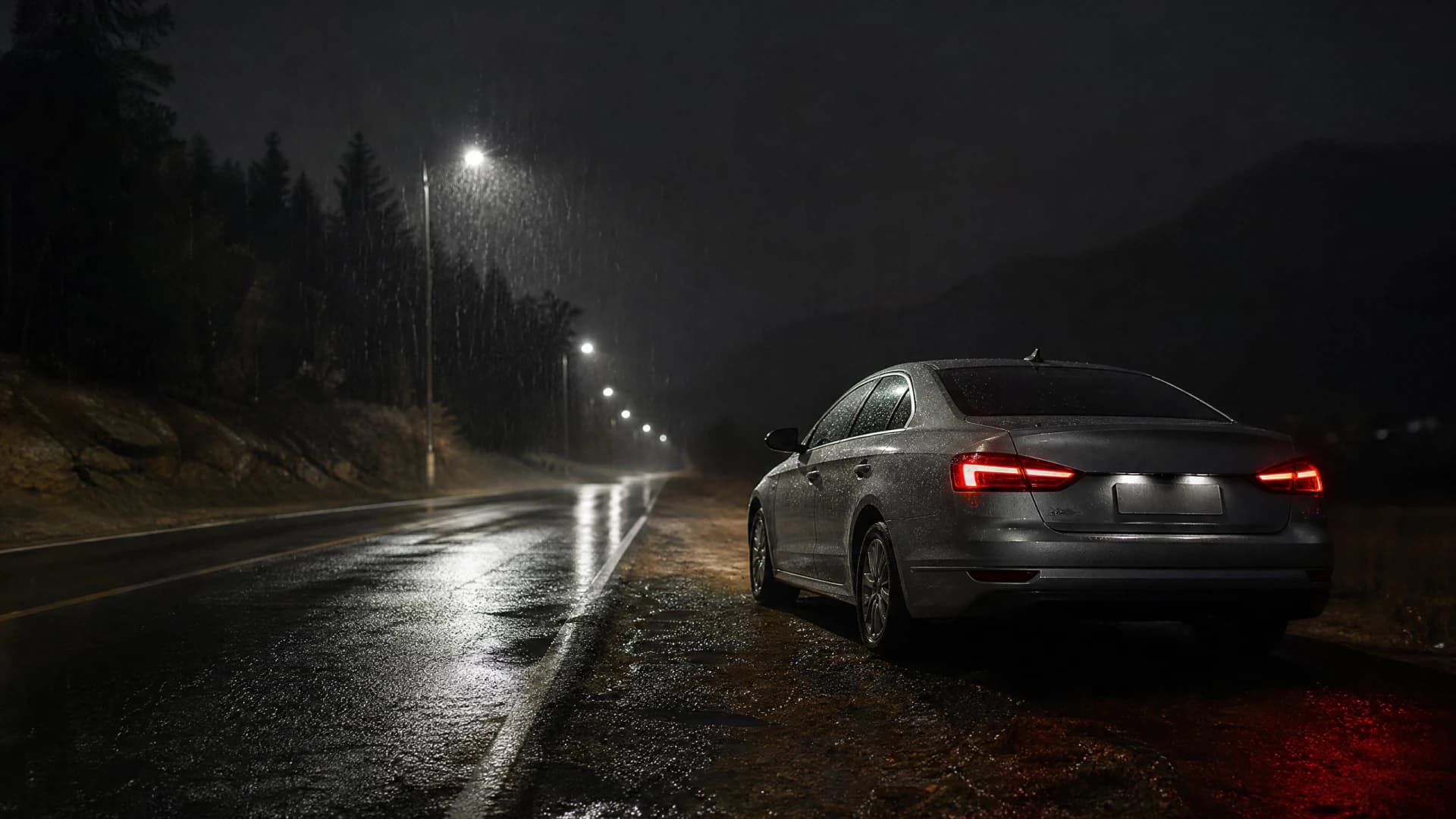
Alabama suspends your reinstated license immediately if your SR-22 filing lapses — even for a single day of missed payment during the three-year monitoring period.




Filing Timeline and Reinstatement Sequencing
Alabama requires you to complete the hard suspension period before you can reinstate. For a first-offense DUI, that typically means 90 days with no driving at all. You cannot file SR-22 during the hard suspension — ALEA will not accept it until you are eligible to apply for reinstatement. Timing this correctly matters: if you purchase a non-owner SR-22 policy too early, you pay premiums during a period when the filing serves no purpose.
The correct sequence: wait until your hard suspension ends, purchase the non-owner SR-22 policy, confirm your insurer has transmitted the SR-22 certificate to ALEA, then submit your reinstatement application along with the $275 base reinstatement fee and the additional $200 DUI-specific fee. ALEA's system checks for an active SR-22 filing in real time. If the certificate is not on file when you apply, your application is rejected and you lose the processing window.
One common failure mode: drivers assume the SR-22 filing is instant. It is not. Most carriers transmit the certificate electronically within 24 to 48 hours of policy activation, but ALEA's system can take an additional 2 to 3 business days to process and reflect the filing in your driver record. Build a five-business-day buffer between purchasing the policy and submitting your reinstatement application. Confirming the SR-22 is on file before you pay reinstatement fees prevents wasted trips to the ALEA office.
3 years
Alabama SR-22 Monitoring Period
Alabama monitors your SR-22 filing for three full years from your reinstatement date. Any lapse, cancellation, or missed premium payment during that window triggers automatic re-suspension. The three-year clock does not start until reinstatement is complete — time spent suspended does not count.
Alabama Code § 32-7A-16
What Happens When You Buy a Car Later
The three-year SR-22 requirement does not disappear when you purchase a vehicle. If you buy a car during the monitoring period, you must transfer the SR-22 certificate from your non-owner policy to a standard auto policy that covers the newly registered vehicle. The transfer must happen without any gap in filing — even a single day of lapse re-suspends your license.
Most drivers handle this by overlapping coverage: purchase the new vehicle policy with SR-22 attached before canceling the non-owner policy. Once you confirm the new SR-22 certificate has transmitted to ALEA and appears in your driver record, you can cancel the non-owner policy. This prevents the gap that triggers suspension. If you cancel the non-owner policy first and then purchase vehicle coverage, the lapse window between policies will flag in ALEA's system, and your license suspends automatically before the new SR-22 even processes.
Compare Alabama Non-Owner SR-22 Rates Now
Non-owner SR-22 premiums vary significantly by carrier, county, age, and how long ago your DUI conviction occurred. The $40 to $65 monthly range represents the typical spread, but individual quotes can fall outside that window depending on underwriting factors ALEA does not control. Some carriers charge higher SR-22 filing fees upfront — typically $15 to $50 — on top of the monthly premium. Others roll the filing fee into the first month's payment. Comparing at least three carriers before committing saves money over the three-year monitoring period. A $15 per month difference compounds to $540 over three years, and reinstatement costs enough without leaving that money on the table.
Carriers Writing Non-Owner SR-22 in Alabama
Dairyland, GAINSCO, and The General are the three most accessible non-standard carriers writing non-owner SR-22 policies in Alabama for post-DUI drivers. All three offer online quotes and electronic SR-22 filing direct to ALEA. Progressive and Geico also write non-owner policies in Alabama, and both can attach SR-22 certificates, but approval for DUI-suspended drivers varies by underwriting tier and county. Bristol West and Direct Auto focus primarily on vehicle-based policies but may offer non-owner coverage through specific agent networks.
Expect the application process to ask for your driver's license number, suspension details, DUI conviction date, and whether you have access to any household vehicles. If you live with someone who owns a car, some carriers will not write a non-owner policy — they assume you have regular access and should be listed on that vehicle's policy instead. This creates a friction point for drivers living in multi-car households. If the household vehicle owner refuses to add you as a listed driver (common after a DUI), you may need to document that refusal or prove you do not have regular access.
Get Your Free Quote
Get My Alabama DUI Insurance QuoteFrequently Asked Questions
Can I get my Alabama license back after a DUI without owning a car?
Yes. Alabama allows non-owner SR-22 policies to satisfy the proof-of-insurance requirement for DUI reinstatement. The policy provides liability coverage when you drive vehicles you do not own, and the SR-22 certificate proves continuous financial responsibility to ALEA for the required three-year monitoring period.
How much does non-owner SR-22 insurance cost in Alabama after a DUI?
Non-owner SR-22 policies in Alabama typically cost $40 to $65 per month for drivers with a single DUI conviction. Premiums vary by carrier, age, county, and time since conviction. Most carriers also charge a one-time SR-22 filing fee of $15 to $50.
What happens if my non-owner SR-22 policy lapses in Alabama?
ALEA automatically re-suspends your driver's license if your SR-22 filing lapses for any reason during the three-year monitoring period. Your insurer notifies ALEA within 24 hours of cancellation or non-payment through the Online Insurance Verification System, and the suspension is immediate.
Do I need SR-22 before or after I apply for Alabama license reinstatement?
You must have an active SR-22 filing on record with ALEA before you submit your reinstatement application. Purchase the non-owner SR-22 policy after your hard suspension period ends, wait 5 business days for the certificate to process in ALEA's system, then apply for reinstatement.
Can I switch from non-owner SR-22 to regular car insurance in Alabama?
Yes, but the transfer must happen without any gap in SR-22 filing. Purchase the new vehicle policy with SR-22 attached, confirm the new certificate has transmitted to ALEA, then cancel the non-owner policy. Any lapse between policies will trigger automatic license re-suspension.
Which insurance companies offer non-owner SR-22 in Alabama?
Dairyland, GAINSCO, The General, Progressive, and Geico all write non-owner SR-22 policies in Alabama. Dairyland, GAINSCO, and The General are the most accessible for post-DUI drivers. Approval from Progressive and Geico varies by underwriting tier and county.