
Insurance After License Suspension
Understand SR-22 filing requirements, non-owner policy options, and reinstatement steps across all 50 states.
Free to compare
Licensed Agents Only
Quotes from state-licensed insurance professionals
No Obligation
Free to request, no commitment required
Free to Use
No cost to you
TCPA-Compliant
Your contact information is protected
How It Works
Enter your ZIP code and tell us about your suspension type
Get matched with carriers who write policies for suspended license drivers in your state
Choose your coverage and your insurer files any required SR-22 directly with your state DMV
Coverage Options
Understanding your coverage options helps you build a policy that protects what matters — without paying for what you don't need.
 SR-22 InsuranceAn SR-22 is a state-mandated certificate proving you carry liability coverage, typically required for 3 years after DUI, excessive points, or driving uninsured. Not all carriers file SR-22 forms, and filing adds $15–$50 to your policy.
 Non-Owner SR-22Non-owner policies provide liability coverage without insuring a specific vehicle, allowing suspended drivers to meet SR-22 requirements for reinstatement even when they don't own a car. Monthly premiums typically run $30–$60.
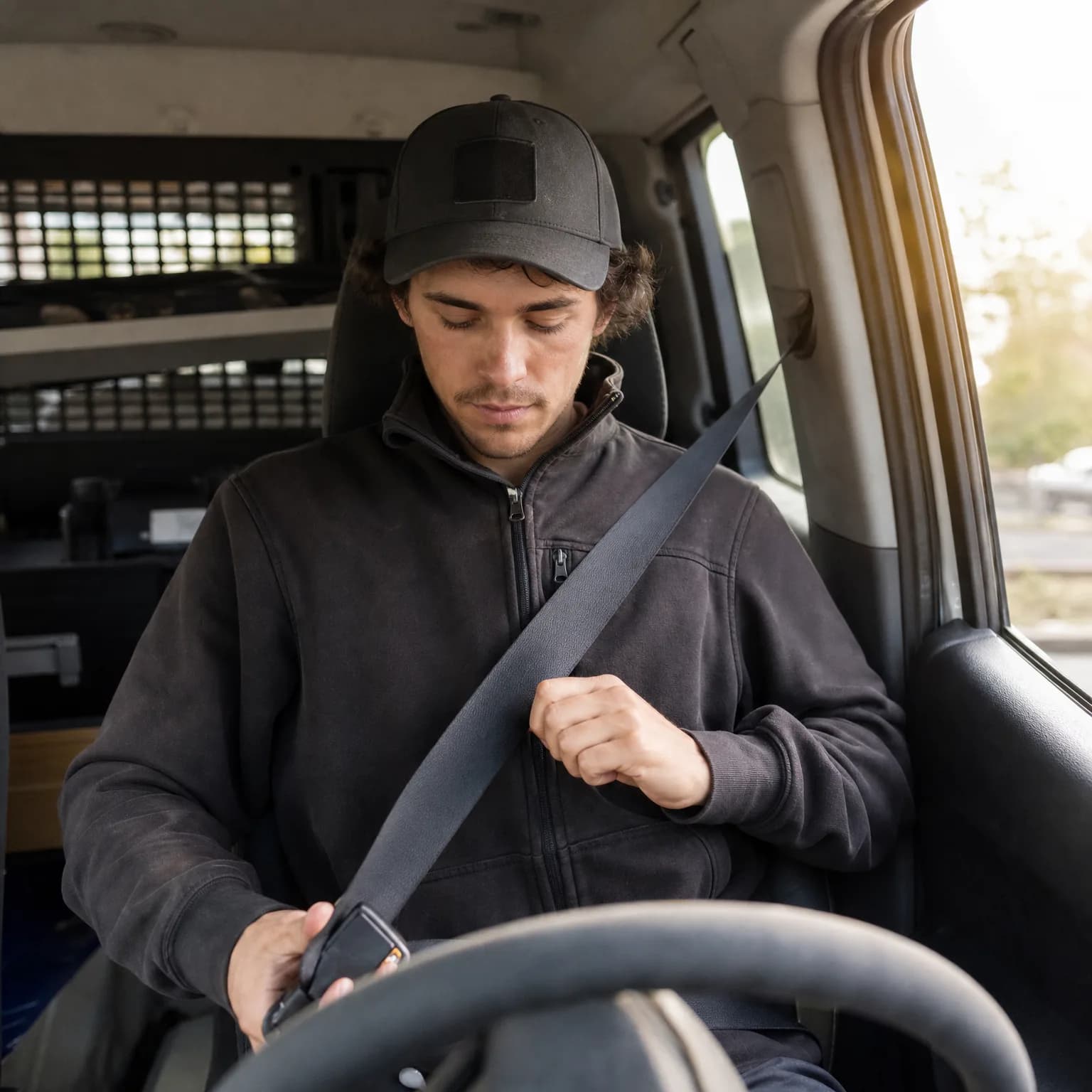 Liability InsuranceLiability coverage pays for damage you cause to others and is the minimum required in every state except New Hampshire. State minimums range from 25/50/25 in many states to 100/300/100 in Alaska.
 Uninsured Motorist CoverageUninsured motorist protection covers your injuries when an at-fault driver has no insurance, a common scenario in states where 12–20% of drivers operate uninsured. Required in 20 states, optional elsewhere.
 Non-Standard Auto InsuranceNon-standard carriers specialize in high-risk drivers with suspensions, DUIs, or lapses, offering policies when standard insurers decline coverage. Expect monthly premiums 40–150% higher than standard rates.
Recent Articles
 7/14/2026Bristol West DUI Insurance Alabama CostBristol West writes Alabama post-DUI SR-22 with filing bundled in. See itemized rates from 9 carriers before you buy.
 7/14/2026Root SR-22 After DUI in AlabamaRoot quotes Alabama DUI drivers but doesn't confirm ALEA receipt of your SR-22 filing. Understand the 3-year requirement, filing mechanics, and how to
 7/14/2026Bristol West SR-22 After DUI in AlabamaBristol West files Alabama DUI SR-22s, but quotes hide the 3-year filing cost. Ask for it split out before you sign.

Find Alabama Coverage After a DUI
Get My Alabama DUI Insurance QuoteFrequently Asked Questions
Do I need insurance if my license is suspended?
Yes, in most states. Most DMVs require continuous liability coverage or an SR-22 filing as a condition of reinstatement, even if you're not currently driving. Letting coverage lapse during suspension can extend your filing period or delay reinstatement.
What is an SR-22 and when is it required?
An SR-22 is a state-mandated certificate your insurer files with the DMV proving you carry at least minimum liability coverage. States require SR-22 filing after DUI convictions, at-fault accidents without insurance, excessive points, or repeated violations. Filing periods typically last 3 years.
How long does SR-22 filing last?
Most states require 3 years of continuous SR-22 filing from the conviction or suspension date. California and Florida require 3 years; Virginia requires 3–5 years depending on the violation. Any lapse in coverage restarts the clock in most states.
What is a hardship license?
A hardship or restricted license allows limited driving during suspension, typically for work, school, medical appointments, or court-ordered obligations. Eligibility, waiting periods, and permitted routes vary by state; most require SR-22 filing and proof of financial responsibility before approval.
Will my insurance company cancel me if my license is suspended?
Not automatically. Many carriers allow you to maintain coverage during suspension, especially if you're required to file an SR-22 or need a non-owner policy for reinstatement. Some non-standard carriers specialize in suspended-license policies.