
No Money Down DUI Insurance — Alabama
Free to compare
The Cash Flow Problem at Reinstatement
You received your DUI suspension notice. Alabama requires SR-22 proof of financial responsibility before you can petition for a restricted license, before you can start the reinstatement clock, before you can legally drive again. The carrier you called quoted you $420 for six months paid upfront. You do not have $420 sitting in an account, and the suspension already cost you court fees, towing, and two weeks of lost shifts.
The standard-tier carrier insistence on six-month prepayment is not a legal requirement — it is underwriting policy. Non-standard carriers that specialize in high-risk drivers typically offer monthly billing with a first-month deposit only. The SR-22 filing itself costs the carrier between $15 and $50 to process and submit to ALEA; the prepayment demand is risk management, not filing mechanics. Installment-friendly carriers exist specifically to serve suspended drivers who need coverage now and cannot front half a year of premium.
“The six-month prepayment model is underwriting policy, not a legal requirement — non-standard carriers offer monthly billing to serve drivers who need coverage now.”

Find Alabama Coverage After a DUI
Get My Alabama DUI Insurance Quote$100
Alabama DUI Reinstatement Fee
This is the state-imposed reinstatement fee specific to DUI suspensions, separate from the base $275 reinstatement fee all suspension types incur. You pay both at reinstatement, plus any outstanding fines, plus the SR-22 filing fee your carrier charges.
Alabama Law Enforcement Agency fee schedule
What SR-22 Actually Costs to File
The SR-22 certificate is a one-page proof-of-insurance form your carrier submits electronically to ALEA. Carriers charge a small one-time filing fee set by the carrier and state, typically between $15 and $50, to process and transmit the form. This fee is separate from your premium and is paid once at the time of filing. If your policy lapses and you need to refile, you pay the filing fee again.
The premium itself varies by your driving record, age, county, and the coverage limits you select. Alabama requires $25,000 bodily injury per person, $50,000 per accident, and $25,000 property damage as minimum liability. Non-standard carriers writing DUI risk in Alabama include Dairyland, The General, Bristol West, GAINSCO, Direct Auto, National General, and Acceptance Insurance. Monthly billing availability varies by carrier and county; some require a two-month deposit, others only the first month.
The six-month prepayment model you encountered is standard-tier underwriting protecting the carrier against mid-term cancellation. Non-standard carriers assume higher lapse risk as part of their business model and price monthly installments accordingly. You pay slightly more over six months on a monthly plan than you would prepaying in full, but the difference is access: you can start the SR-22 filing process this week instead of waiting three months to save the lump sum.

Alabama's restricted license petition requires proof of SR-22 coverage before the court will consider your application. No SR-22 on file with ALEA means no hardship eligibility, regardless of how strong your employment or medical documentation is.







Non-Owner Policies When You Sold the Car
If your vehicle was impounded, totaled, or sold after the DUI arrest, you still need SR-22 coverage to satisfy Alabama's reinstatement requirement. A non-owner SR-22 policy provides liability coverage when you drive a vehicle you do not own — a borrowed car, a rental, or a company vehicle once your restricted license allows you to drive for work. The premium is lower than standard owner-operator coverage because the policy does not cover collision or comprehensive on a specific vehicle.
Non-owner SR-22 satisfies ALEA's SR-22 filing requirement identically to owner-operator SR-22. The carrier files the same SR-22 certificate, ALEA records it the same way, and the three-year filing period runs identically. When you later purchase a vehicle, you convert the non-owner policy to a standard policy with the same carrier or shop for owner-operator coverage; the SR-22 filing transfers seamlessly as long as there is no lapse between the two policies.
Carriers writing non-owner SR-22 in Alabama include Dairyland, The General, GAINSCO, and Progressive. Monthly billing is standard for non-owner policies because the premium is lower and the underwriting risk is reduced. First-month deposits typically range from one to two months of premium depending on the carrier's assessment of your payment reliability.
3 years
Alabama SR-22 Filing Period for DUI
Alabama requires continuous SR-22 filing for three years following a DUI conviction, measured from the date the SR-22 is filed with ALEA, not the conviction date. If your coverage lapses at any point during the three years, the clock resets and you begin a new three-year period from the date you refile.
Alabama Code § 32-7-13

Timing the SR-22 Filing Against Hardship Eligibility
Alabama imposes a mandatory hard suspension period before you can petition the circuit court for a restricted license. For a first-offense DUI, the administrative license suspension under Alabama Code § 32-5A-304 is 90 days. During this period you cannot drive at all, and no restricted license is available. After the 90-day hard suspension, you become eligible to petition for a restricted license if you meet all court-defined requirements: proof of employment or essential need, SR-22 certificate of insurance, ignition interlock device installation, payment of reinstatement fees, and completion of any court-ordered DUI education classes.
The strategic timing question: do you secure SR-22 coverage immediately or wait until the 90-day hard suspension ends? Securing coverage early starts your three-year SR-22 clock sooner, but it also means your SR-22 is already on file with ALEA when you petition the court for the restricted license, eliminating one procedural delay. Waiting until day 89 to shop for coverage risks carrier underwriting delays and leaves you without a restricted license for additional weeks while the SR-22 processes. Most attorneys advise filing SR-22 at least two weeks before your hardship petition date to ensure ALEA's system reflects active coverage when the court queries your record.
Where to Find Installment-Friendly Carriers
Non-standard carriers do not always advertise monthly billing prominently on their websites. Call the carrier directly and ask whether monthly billing is available in your county, what the first-month deposit requirement is, and whether automatic payment from a checking account is mandatory or optional. Some carriers require automatic payment to offer monthly terms; others allow manual monthly payments but charge a small processing fee per transaction.
Dairyland, The General, and Bristol West operate in Alabama and explicitly market to high-risk drivers needing SR-22 filing. GAINSCO and Direct Auto maintain Alabama storefronts and accept walk-in applications, which can be faster than online quoting if you need coverage filed this week. Progressive writes SR-22 in Alabama and offers monthly billing, though their non-standard tier (Progressive Preferred) has stricter payment terms than dedicated non-standard carriers. State Farm writes SR-22 in Alabama but typically requires six-month prepayment for DUI risk; they are not the right call for installment needs.
Alabama SR-22 insurance requirements specify that any carrier licensed to write auto liability in the state can file SR-22, but not all carriers accept DUI risk or offer installment billing. Comparing three to five non-standard carriers gives you leverage to negotiate deposit terms. If one carrier wants two months upfront and another wants only one, the difference is $80 to $120 in immediate cash outlay.
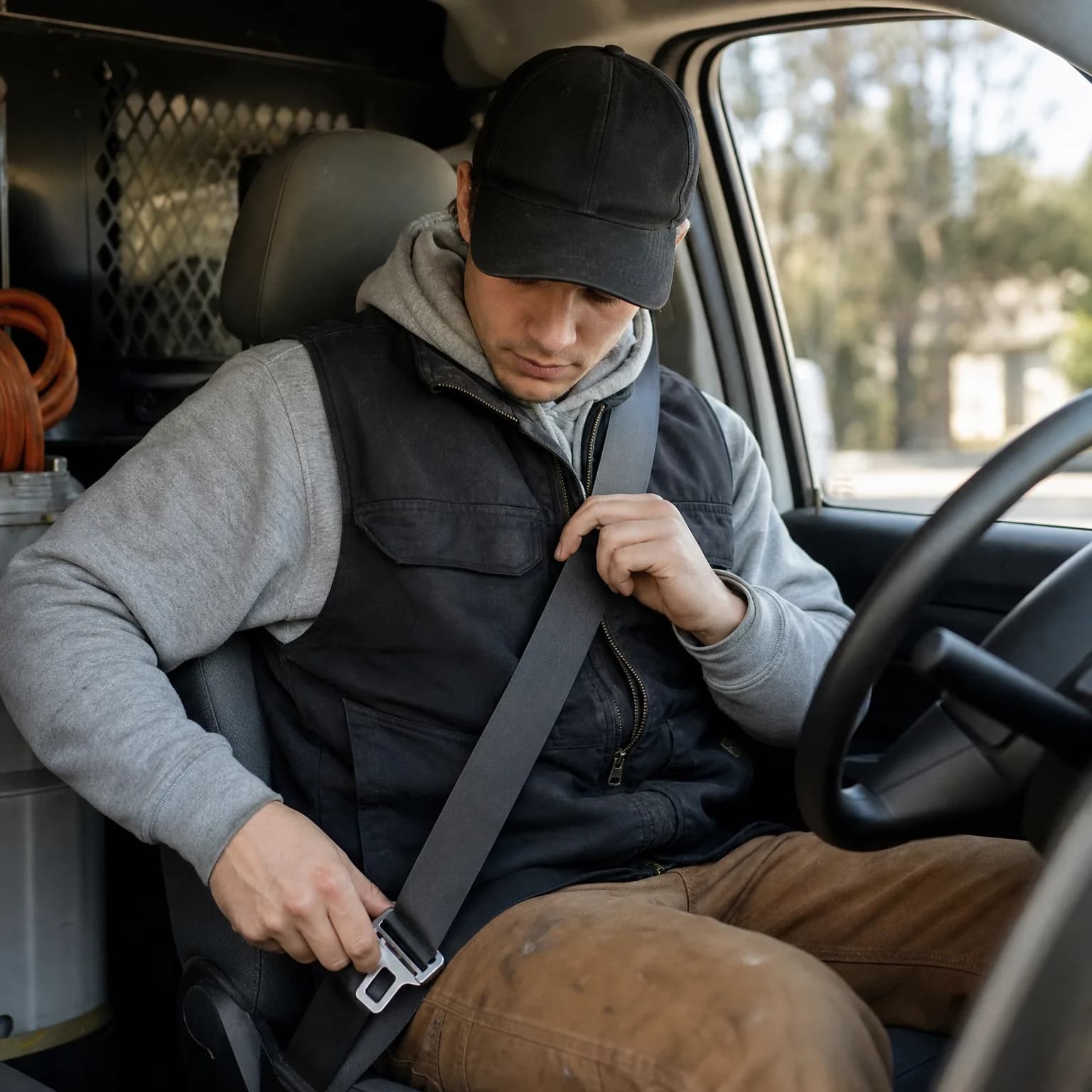
Next Step: Compare Monthly-Billing SR-22 Carriers
Contact at least three non-standard carriers writing Alabama SR-22 and ask each for a monthly-billing quote with the state minimum liability limits. Specify that you need SR-22 filing for a DUI suspension and confirm the first-month deposit requirement, the SR-22 filing fee, and whether automatic payment is required. Request the policy start date to align with your restricted license petition timeline so your SR-22 is on file with ALEA when the court reviews your application. Securing coverage this week removes the SR-22 barrier from your reinstatement path and starts the three-year clock toward clearing your record.
How Monthly Billing Works for SR-22 Coverage
You apply for coverage, provide proof of identity and address, select your liability limits, and authorize monthly automatic payment from a checking account or debit card. The carrier charges the first month's premium plus the SR-22 filing fee at policy inception. Within 24 to 72 hours, the carrier files the SR-22 certificate electronically with ALEA, and ALEA updates your driver record to reflect active SR-22 coverage. You receive a policy declarations page and a copy of the filed SR-22 form, both of which you submit to the circuit court when petitioning for a restricted license.
Monthly payments draft automatically on your policy anniversary date each month. If a payment fails, the carrier sends a notice giving you a grace period (typically 10 to 15 days depending on the carrier) to bring the account current. If you do not pay within the grace period, the policy cancels and the carrier files an SR-26 form with ALEA notifying the state that your coverage lapsed. ALEA suspends your driving privileges immediately upon receiving the SR-26, and your three-year SR-22 requirement clock resets from the date you refile, not from your original conviction date. Missing one payment can add months to your total SR-22 obligation.
Get Your Free Quote
Get My Alabama DUI Insurance QuoteFrequently Asked Questions
Can I get SR-22 insurance in Alabama without paying six months upfront?
Yes. Non-standard carriers including Dairyland, The General, Bristol West, and GAINSCO offer monthly billing with first-month deposits only. Standard-tier carriers often require six-month prepayment for DUI risk, but installment-friendly carriers assume higher lapse risk as part of their business model and price monthly plans accordingly.
What happens if I miss a monthly SR-22 insurance payment in Alabama?
The carrier sends a notice giving you a grace period (typically 10 to 15 days) to pay. If you do not pay within the grace period, the policy cancels and the carrier files an SR-26 lapse notification with ALEA. ALEA suspends your driving privileges immediately, and your three-year SR-22 requirement clock resets from the date you refile.
Do I need SR-22 insurance during Alabama's 90-day hard suspension period?
You are not legally required to maintain insurance during the hard suspension because you cannot drive at all. However, securing SR-22 coverage before the 90-day period ends ensures your filing is on record with ALEA when you petition the court for a restricted license, eliminating procedural delays.
Can I use a non-owner SR-22 policy to satisfy Alabama DUI reinstatement requirements?
Yes. Non-owner SR-22 provides liability coverage when you drive a vehicle you do not own and satisfies ALEA's SR-22 filing requirement identically to owner-operator coverage. The same three-year filing period applies, and the certificate is filed with ALEA the same way.
How much does SR-22 filing cost in Alabama?
Carriers charge a one-time SR-22 filing fee set by the carrier and state, typically between $15 and $50, to process and transmit the form to ALEA. This fee is separate from your monthly premium and is paid once at policy inception. If your policy lapses and you refile, you pay the filing fee again.
Which Alabama carriers offer monthly billing for SR-22 coverage?
Dairyland, The General, Bristol West, GAINSCO, Direct Auto, National General, and Acceptance Insurance write SR-22 in Alabama and typically offer monthly billing. Progressive writes SR-22 but has stricter payment terms for DUI risk. State Farm writes SR-22 but usually requires six-month prepayment for DUI suspensions.