
DUI Insurance Rate Increase — Alabama
Free to compare
Why Your Rate Just Tripled After Alabama DUI Arrest
You were arrested for DUI in Alabama last week. Your carrier sent a non-renewal notice yesterday. You're now shopping quotes and seeing premiums three times what you paid before — $280/month where you used to pay $95. The sticker shock is real, but the structural reality behind it is more complicated than a simple rate increase.
Alabama operates a dual-track DUI system: ALEA issues an administrative license suspension (ALS) within days of arrest if you failed or refused the chemical test, independent of any criminal court outcome. Your insurer sees that administrative action immediately through Alabama's Online Insurance Verification System (OIVS). The criminal conviction may be months away, but the insurance impact starts now. Most drivers don't realize the administrative suspension triggers underwriting review before conviction.
“Your standard-market carrier will not tell you they are non-renewing until 30–45 days before policy expiration.”

Find Alabama Coverage After a DUI
Get My Alabama DUI Insurance Quote$200–$350/mo
Alabama Post-DUI Non-Standard Premium
Drivers who move from preferred or standard carriers to non-standard markets after DUI conviction typically pay $200–$350/month for state minimum liability. Standard-market carriers like State Farm or Allstate often non-renew rather than re-rate, forcing the move to non-standard specialists.
Alabama Department of Insurance carrier filings, 2024
The Rate Increase Is Actually Two Separate Cost Layers
Alabama DUI insurance cost breaks into two distinct layers: the premium increase itself, and the SR-22 filing cost. The premium reflects your new risk tier. Alabama requires 3-year SR-22 filing for DUI-related reinstatement, and carriers charge separately for filing and maintaining that certificate. SR-22 filing fees run $25–$50 upfront, plus approximately $15–$25 per year for the duration.
The premium increase is the larger cost. Preferred-tier carriers (State Farm, USAA, Auto-Owners) typically non-renew after DUI rather than re-rating you within their book. Standard-tier carriers (Geico, Progressive, Nationwide) may offer renewal but at significantly higher rates — often double your prior premium. Non-standard specialists (Dairyland, The General, GAINSCO, Bristol West, Direct Auto) write post-DUI business as their primary market, but their baseline rates reflect the concentrated risk pool. You're not being penalized individually; you're being priced into a different risk class.
Alabama Code § 32-5A-191 requires ignition interlock device (IID) installation for restricted license eligibility after DUI. IID costs are separate from insurance: approximately $75–$125 installation, $60–$90/month monitoring. Your premium does not include IID — budget both separately.

Your standard-market carrier will not tell you they are non-renewing until 30–45 days before policy expiration. Shop non-standard markets immediately after arrest to avoid a coverage gap at renewal.



How Alabama's 3-Year SR-22 Requirement Affects Premium
Alabama requires SR-22 filing for 3 years following DUI reinstatement, measured from the date you file SR-22 with ALEA, not from your conviction or arrest date. If you let your policy lapse or cancel coverage during that 3-year window, your carrier notifies ALEA electronically within 24 hours, ALEA suspends your license again, and the 3-year clock resets when you refile. This reset mechanism is why maintaining continuous coverage is critical — a 30-day lapse in year two sends you back to day zero of the 3-year requirement.
SR-22 itself does not increase your premium. The filing is administrative: your carrier certifies to ALEA that you carry at least Alabama's minimum liability limits ($25,000 bodily injury per person, $50,000 per accident, $25,000 property damage). The premium increase comes from underwriting: carriers price the elevated claim risk your DUI conviction signals. Removing SR-22 from your policy would not reduce your premium; the DUI on your motor vehicle record drives the rate.
Once 3 years pass without lapse, ALEA releases the SR-22 requirement and you can shop standard-market carriers again. Your DUI remains on your Alabama driving record for 5 years from conviction date, but its underwriting weight diminishes after year three. Expect standard-market quotes to drop by approximately 20–40% once the SR-22 requirement ends, assuming no additional violations in the interim.
3 years
Alabama SR-22 Filing Duration
Alabama Code § 32-5A-304 and § 32-7-6 require proof of financial responsibility for 3 years following DUI-related reinstatement. Any lapse in coverage during that period resets the 3-year clock to day zero, extending your total SR-22 obligation by the full 3 years from the new filing date.
Alabama Code Title 32, Chapter 5A and Chapter 7
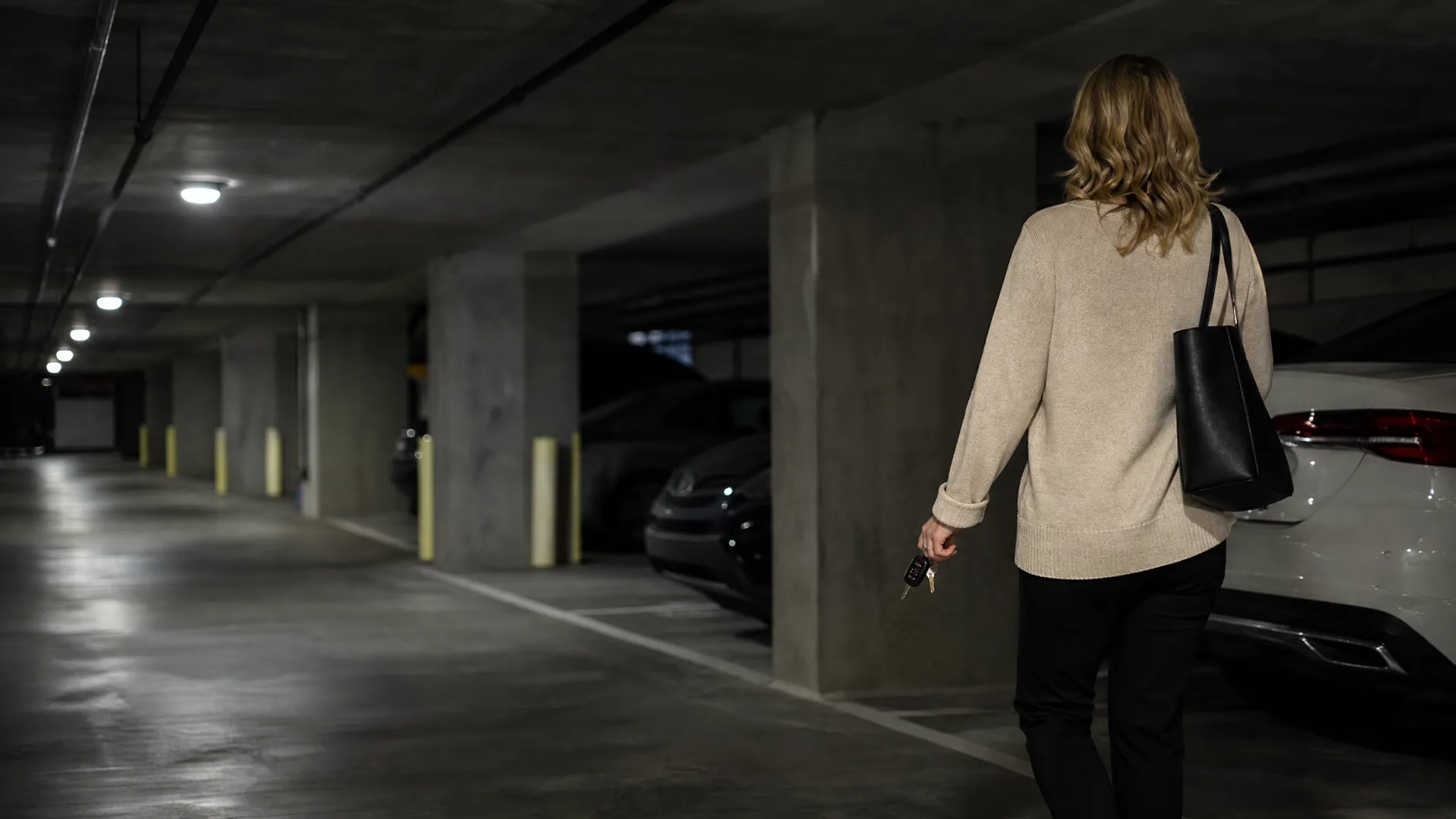
Non-Owner SR-22 If You Sold Your Car After Arrest
Alabama allows non-owner SR-22 filing for drivers who do not own a vehicle but need to satisfy the 3-year SR-22 requirement for reinstatement. Non-owner policies provide liability coverage when you drive a borrowed or rented vehicle. Premium for non-owner SR-22 in Alabama runs approximately $40–$80/month through non-standard carriers — significantly less than owner policies because the carrier is not insuring a specific vehicle you drive daily.
Non-owner SR-22 satisfies ALEA's reinstatement requirement, allows you to obtain a restricted license (if court-approved for work, school, or medical purposes), and keeps your 3-year SR-22 clock running even if you're not driving regularly. If you purchase a vehicle during the SR-22 period, you must convert to an owner policy and notify your carrier within 30 days. Failure to notify triggers a coverage gap — your non-owner policy excludes vehicles you own, and ALEA will suspend your license again when the carrier reports the policy no longer meets SR-22 filing requirements.
Your Next Step: Quote Non-Standard Markets Now
Do not wait for your current carrier to non-renew. Contact Dairyland, The General, GAINSCO, and Bristol West within 7 days of your administrative suspension notice. Request quotes for both owner and non-owner SR-22 policies, depending on whether you still own a vehicle. Provide your exact suspension letter from ALEA — carriers need the suspension date and reason code to quote accurately. Compare monthly premiums, filing fees, and payment plan options. Bind coverage before your current policy expires to avoid a lapse, which delays reinstatement and resets your SR-22 clock.
Which Carriers Write Post-DUI Alabama Business
Non-standard specialists that write Alabama post-DUI business include Dairyland, The General, GAINSCO, Bristol West, Direct Auto, and Acceptance Insurance. All six file SR-22 certificates electronically with ALEA and offer both owner and non-owner policies. Geico and Progressive write post-DUI Alabama business in their standard books but re-rate aggressively — expect quotes 150–250% of your prior premium. State Farm writes SR-22 in Alabama but underwriting guidelines vary by agent and county; some State Farm agents will not quote post-DUI risks at all.
National General and Farmers write post-DUI business selectively. Allstate, Liberty Mutual, Nationwide, Hartford, Travelers, USAA, Amica, Auto-Owners, and Country Financial either non-renew after DUI or decline new business with DUI on record. If you currently hold a policy with one of these carriers, expect non-renewal notice 30–45 days before your policy expiration date. Start shopping non-standard markets as soon as the administrative suspension is imposed — do not wait for the criminal conviction or the non-renewal notice.
Get Your Free Quote
Get My Alabama DUI Insurance QuoteFrequently Asked Questions
Does SR-22 filing itself make Alabama insurance more expensive?
No. SR-22 is an administrative filing that costs $25–$50 upfront plus approximately $15–$25 per year. The premium increase comes from underwriting your DUI conviction, not from the SR-22 certificate itself. Removing SR-22 from your policy would not reduce your rate.
How long does a DUI affect insurance rates in Alabama?
Alabama DUIs remain on your driving record for 5 years from conviction date. Carriers typically surcharge for 3–5 years, with the largest impact in years one through three. After the 3-year SR-22 requirement ends, expect rates to drop 20–40% if you have no additional violations.
Can I get Alabama SR-22 insurance if my license is still suspended?
Yes. You can purchase SR-22 insurance and file the certificate with ALEA while your license is suspended. Most drivers file SR-22 as part of the reinstatement application process. The policy must be active before ALEA will process your reinstatement.
What happens if I let my Alabama SR-22 policy lapse?
Your carrier notifies ALEA electronically within 24 hours of cancellation. ALEA suspends your license again immediately. The 3-year SR-22 requirement resets to day zero when you refile, adding the full 3 years from the new filing date to your total obligation.
Do all Alabama insurance companies write SR-22 policies after DUI?
No. Preferred-tier carriers like Allstate, USAA, and Auto-Owners typically non-renew after DUI rather than writing new SR-22 business. Non-standard specialists like Dairyland, The General, GAINSCO, and Bristol West write post-DUI Alabama SR-22 policies as their primary market.
How much does non-owner SR-22 insurance cost in Alabama?
Non-owner SR-22 policies in Alabama typically cost $40–$80/month through non-standard carriers. This covers liability when you drive a borrowed or rented vehicle and satisfies ALEA's 3-year SR-22 filing requirement without insuring a vehicle you own.