
DUI Insurance Costs — Birmingham, AL
Free to compare
What Birmingham DUI Drivers Actually Pay
You received a DUI conviction in Birmingham and now face Alabama's mandatory SR-22 filing requirement. The question isn't whether you need insurance—it's how much you'll pay monthly for the next three years while maintaining that filing. Most Birmingham drivers with a DUI conviction pay between $180 and $275 per month for full-coverage auto insurance with SR-22, compared to $75–$110 for drivers with clean records.
That range isn't arbitrary. Your actual premium depends on which carrier tier you can access after the conviction, how long ago the conviction occurred, your age, and whether you own a vehicle or need non-owner SR-22 coverage. Alabama Law Enforcement Agency requires the SR-22 filing for three years from your conviction date—not your filing date—which means the clock started the day the court entered judgment.
“Your actual premium depends on which carrier tier you can access after conviction, not just the DUI itself.”

Find Alabama Coverage After a DUI
Get My Alabama DUI Insurance Quote$100
Alabama DUI Reinstatement Fee
Alabama imposes a $200 DUI-specific reinstatement fee on top of the standard $275 base reinstatement fee. This $100 figure represents the additional administrative cost assessed by ALEA Driver License Division for DUI-related suspensions, separate from any court fines or SR-22 filing costs.
Alabama Law Enforcement Agency fee schedule
Why Birmingham DUI Premiums Double Clean-Record Rates
A DUI conviction moves you from standard-tier carriers into the non-standard insurance market. Standard carriers like State Farm and Allstate either decline DUI applicants outright or quote rates so high they're functionally unavailable. Non-standard carriers—Progressive, Geico (standard tier but writes after-DUI), Dairyland, The General, Bristol West, Direct Auto, National General—specialize in high-risk drivers and price accordingly.
Birmingham's Jefferson County location adds another layer. Alabama uses a tort liability system, meaning at-fault drivers are personally liable for damages they cause. Non-standard carriers price for that exposure, especially when insuring drivers with recent DUI convictions who statistically carry higher crash risk. Your premium reflects the carrier's assessment of how likely you are to file a claim and how large that claim might be.
The SR-22 filing itself costs $25–$50 as a one-time or annual fee depending on carrier. The real cost is the premium increase that comes from being classified as high-risk. That classification lasts three years in Alabama—the full duration of your SR-22 requirement—even if you maintain a clean driving record during that period.
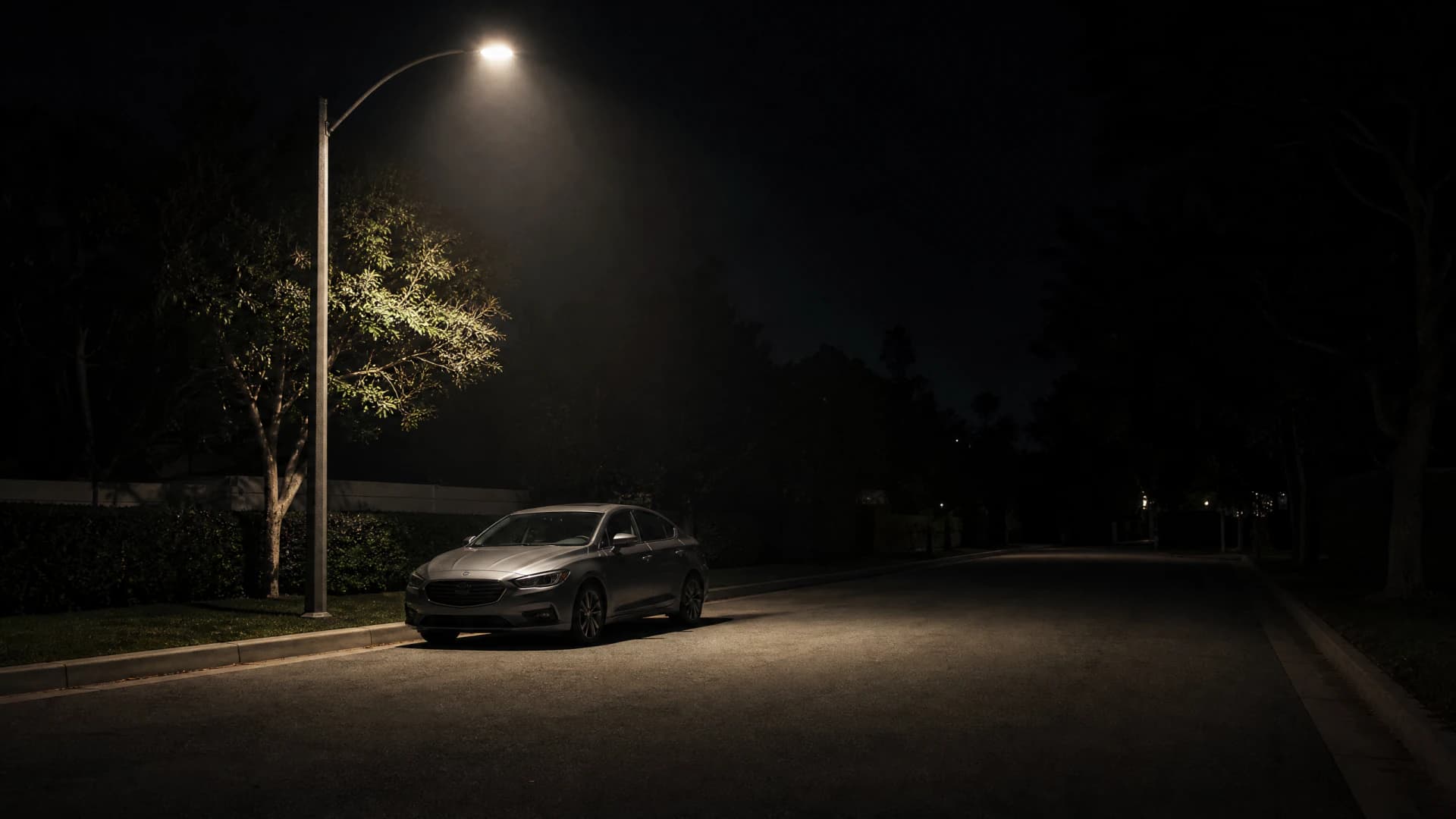
Alabama's 3-year SR-22 requirement runs from conviction date, not filing date. Filing late extends your total time paying high-risk premiums.



How Long You'll Carry High-Risk Rates
Alabama's SR-22 requirement lasts three years from your DUI conviction date. Once ALEA receives continuous SR-22 certification for that full period, your filing obligation ends. At that point you can request standard-tier quotes again, though not all carriers will immediately reclassify you. Most non-standard carriers reduce DUI surcharges significantly at the three-year mark, dropping monthly premiums by 40–60% even if you stay with the same carrier.
Birmingham drivers often see the biggest savings by shopping carriers at the three-year mark rather than staying with their current non-standard provider. Carriers like State Farm and Allstate that declined you immediately after conviction may quote competitively once three years have passed with no additional violations. That's when the rate difference between staying non-standard and returning to standard tier becomes substantial: $180/month non-standard versus $90/month standard for identical coverage.
The conviction itself stays on your Alabama driving record for five years and on your insurance loss history (tracked through LexisNexis and similar databases) for up to seven years. Even after your SR-22 requirement ends, some carriers will still apply reduced surcharges if they pull your full loss history. Not all do—this is carrier-specific—but it explains why some Birmingham drivers continue paying modestly elevated rates even four or five years post-conviction.
3 years
Alabama SR-22 Filing Duration
Alabama Code § 32-7-23 and § 32-5A-304 require SR-22 certification for three years following DUI-related license suspension or reinstatement. The three-year period begins on your conviction date. If you allow the SR-22 to lapse at any point during those three years, ALEA suspends your license again and the three-year clock resets from the date you refile.
Alabama Code Title 32, Chapter 7

Non-Owner SR-22 for Birmingham Drivers Without Vehicles
If you don't own a vehicle but need SR-22 to satisfy Alabama's reinstatement requirements, non-owner SR-22 policies cost substantially less than standard policies: typically $40–$75/month in Birmingham. Non-owner policies provide liability coverage when you drive a borrowed or rented vehicle but carry no collision or comprehensive coverage because there's no owned vehicle to insure.
Geico, Progressive, Dairyland, The General, and GAINSCO all write non-owner SR-22 policies in Alabama. The filing works identically to owner SR-22: the carrier files the certificate with ALEA electronically, maintains it for three years, and notifies ALEA if you cancel. Non-owner SR-22 satisfies Alabama's proof-of-financial-responsibility requirement even if you never actually drive during the filing period.
Many Birmingham drivers use non-owner SR-22 strategically: maintain the filing for three years to clear the reinstatement requirement, then purchase a vehicle and standard policy once the SR-22 obligation ends and rates drop. This approach costs $1,440–$2,700 total over three years versus $6,480–$9,900 for maintaining full-coverage owner SR-22 on a vehicle you're not driving.
Next Step for Birmingham DUI Drivers
Request quotes from at least three non-standard carriers writing SR-22 in Jefferson County: Progressive and Geico offer online quotes; Dairyland, Bristol West, and Direct Auto work through independent agents who can quote multiple carriers simultaneously. Provide your conviction date, current license status, and whether you need owner or non-owner coverage. Quotes vary by $50–$100/month between carriers for identical coverage, making comparison essential before you commit to three years of premiums.
Breaking Down Birmingham DUI Insurance Components
Base premium covers your actual insurance policy: liability limits, collision and comprehensive if you carry full coverage, uninsured motorist coverage, and any optional endorsements. Alabama's minimum liability requirements are $25,000 per person/$50,000 per accident for bodily injury and $25,000 for property damage. Most Birmingham drivers carry higher limits—$100,000/$300,000/$100,000 is common—because Alabama's tort system exposes at-fault drivers to personal liability beyond policy limits. Higher limits mean higher base premiums, but they also protect your assets if you cause a serious crash.
Non-standard tier surcharge is the carrier's risk premium for insuring a driver with a DUI conviction. This surcharge typically doubles or triples the base premium and decreases slowly as time passes from the conviction date. Carriers review DUI surcharges annually: expect the surcharge to remain near its peak for the first two years, then begin declining in year three as you approach the end of your SR-22 requirement. Some carriers drop DUI surcharges entirely after three years; others maintain reduced surcharges for up to five years post-conviction.
Get Your Free Quote
Get My Alabama DUI Insurance QuoteFrequently Asked Questions
Does SR-22 filing cost extra in Alabama?
The SR-22 certificate itself costs $25–$50 as a one-time or annual filing fee depending on carrier. The larger cost is the non-standard tier premium increase that comes from being classified as high-risk after a DUI conviction. That premium increase typically doubles your monthly rate and lasts for the full three-year SR-22 requirement period.
Can I get standard insurance rates before my SR-22 requirement ends?
Most carriers maintain DUI surcharges for the full three-year SR-22 period required by Alabama law. Some reduce surcharges slightly in year three, but significant rate drops typically occur only after ALEA confirms your three-year SR-22 filing is complete and your license is fully reinstated.
What happens if I let my SR-22 lapse in Alabama?
ALEA suspends your license immediately when your carrier notifies them of SR-22 cancellation. The three-year filing requirement resets from the date you refile, meaning you start the clock over. Each lapse adds time and cost to your total reinstatement period.
Do all Birmingham auto insurance carriers file SR-22?
No. Standard carriers like Allstate and Farmers often decline SR-22 filings or quote prohibitively high rates. Non-standard carriers—Progressive, Geico, Dairyland, The General, Bristol West, Direct Auto, National General—specialize in SR-22 and offer the most competitive rates for Birmingham DUI drivers.
Is non-owner SR-22 cheaper than regular SR-22 in Alabama?
Yes. Non-owner SR-22 policies in Birmingham typically cost $40–$75/month versus $180–$275/month for full-coverage owner policies. Non-owner SR-22 satisfies Alabama's reinstatement requirement if you don't own a vehicle, covering liability when you drive borrowed or rented cars.
When does the three-year SR-22 clock start in Alabama?
The three-year SR-22 requirement begins on your DUI conviction date, not the date you file SR-22 or reinstate your license. Filing late doesn't shorten the requirement—it only extends the total time you're without a valid license. ALEA counts from conviction date regardless of when you actually obtain coverage.