
DUI Insurance Rate Impact — Alabama
Free to compare
The Rate Question Misses the Real Problem
You received a DUI conviction in Alabama yesterday and now you're searching for how much your insurance will go up. The actual structural reality: your current carrier will likely non-renew your policy at the next renewal period, and the question becomes which carriers will quote you at all once you need SR-22 filing. Rate increases matter only if you can find a carrier willing to accept the risk.
Alabama requires SR-22 filing for three years following DUI conviction, measured from the conviction date per Alabama Code § 32-5A-304. During those three years you'll be shopping in the non-standard insurance market where carriers specialize in high-risk drivers. The premium difference between your old rate and your new rate is less important than understanding which carriers operate in Alabama's non-standard tier and how SR-22 filing changes the underwriting conversation.
“The question isn't how much your rate goes up — it's which carriers will quote you at all once SR-22 filing is required.”
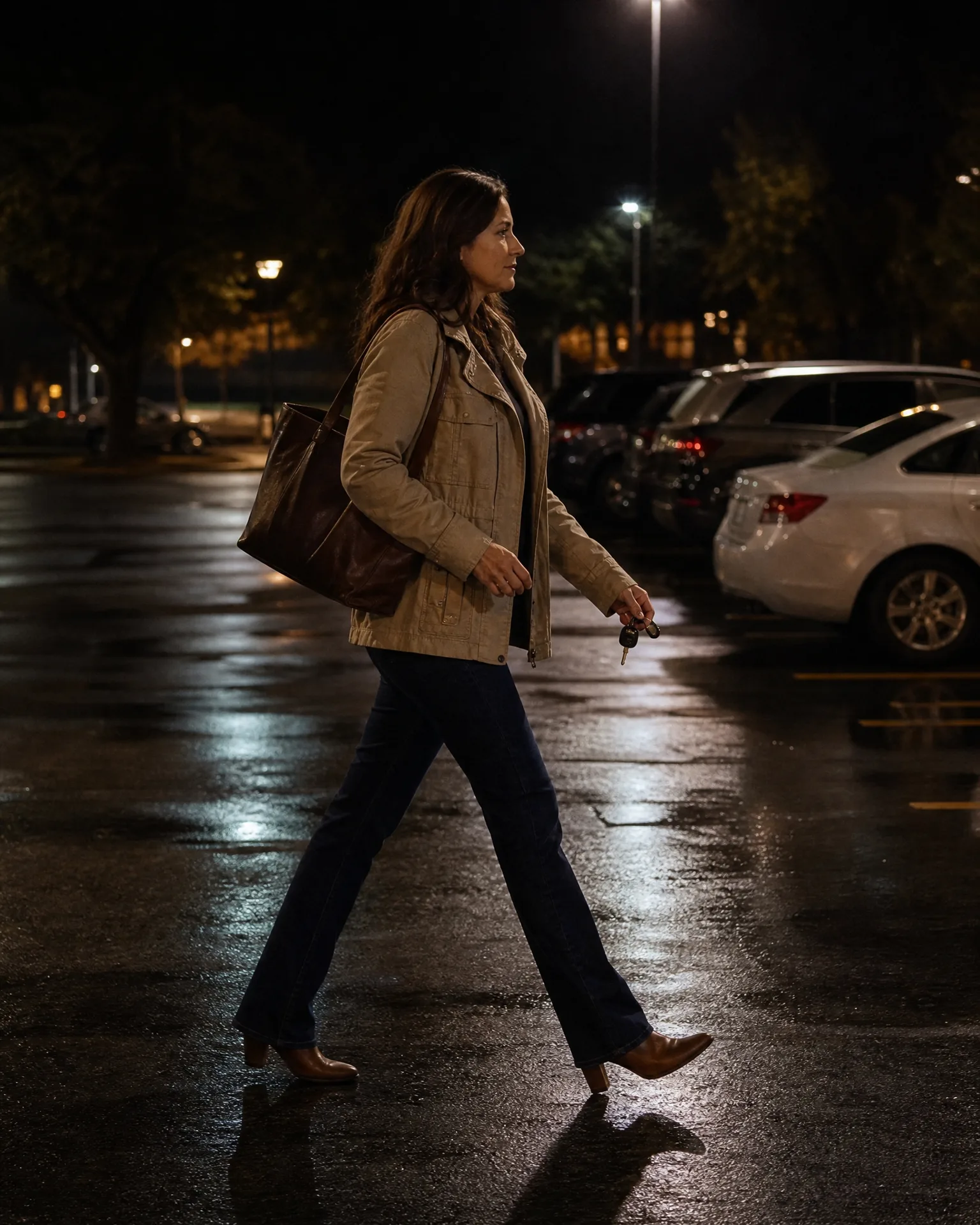
Find Alabama Coverage After a DUI
Get My Alabama DUI Insurance Quote$185–$280/mo
Alabama Non-Standard DUI Premium
Non-standard carriers writing SR-22 policies in Alabama typically quote monthly premiums in this range for minimum liability coverage following DUI conviction. Individual rates vary by age, county, prior claims history, and vehicle type.
Carrier rate filings and market availability data, Alabama Department of Insurance
Standard Carriers Exit After DUI
State Farm, Allstate, Auto-Owners, and most preferred-tier carriers maintain strict underwriting guidelines that classify DUI as an unacceptable risk. These carriers will file SR-22 forms for existing policyholders in some cases, but rarely accept new applicants with recent DUI convictions. Your current preferred-tier carrier will send a non-renewal notice at your next policy anniversary, giving you 30 to 60 days to find alternative coverage.
The non-renewal is not a rate increase — it's a market reclassification. Alabama operates a tiered market structure where preferred carriers (State Farm, USAA, Amica) write low-risk drivers, standard carriers (Nationwide, Farmers, Hartford) write moderate-risk profiles, and non-standard carriers (Acceptance, Bristol West, Dairyland, Direct Auto, GAINSCO, The General) write high-risk and SR-22-required policies. DUI moves you from the first tier to the third, and most drivers cannot move back to preferred or standard tiers until the SR-22 filing period ends and three to five years pass without additional violations.

Alabama's non-standard market has seven carriers actively writing SR-22 policies for DUI drivers. Shopping all seven produces quote spreads exceeding $140/month for identical coverage.




The Three-Year SR-22 Filing Period
Alabama Law Enforcement Agency (ALEA) requires continuous SR-22 filing for three years following DUI conviction or administrative license suspension for chemical test failure. The three-year period begins on your conviction date, not your filing date or your reinstatement date. If you wait six months after conviction to file SR-22, you still owe three years from the original conviction — the clock does not pause while you're uninsured.
SR-22 filing itself costs $15 to $50 depending on carrier, paid once at policy inception and again at each renewal. The filing is an endorsement to your liability policy certifying continuous coverage to ALEA. If your policy lapses for non-payment or you cancel coverage, your carrier notifies ALEA within 10 days and your license is re-suspended immediately. You then owe reinstatement fees, possible court fines for driving uninsured, and the SR-22 period resets to three full years from the new filing date.
Non-owner SR-22 policies cover drivers who don't own a vehicle but need to maintain the SR-22 filing to satisfy reinstatement requirements or keep a restricted license active. Alabama allows non-owner policies to fulfill SR-22 obligations. Dairyland, GAINSCO, Geico, The General, and USAA all write non-owner SR-22 policies in Alabama. Monthly premiums run $45 to $85 for state minimum liability limits. Non-owner policies do not cover vehicles you own, lease, or regularly use — if you later purchase a vehicle you must convert to an owner policy and notify ALEA of the policy change to maintain continuous SR-22 status.
3 years
Alabama SR-22 Filing Duration
Alabama Code § 32-5A-304 mandates three-year SR-22 filing following DUI conviction or administrative suspension. The period begins at conviction, not at filing or reinstatement. Policy lapses reset the three-year clock entirely.
Alabama Code § 32-5A-304

Reinstatement Fees and Restricted License Costs
Alabama charges a $275 base reinstatement fee plus an additional $200 DUI-specific fee, totaling $475 before you can regain full driving privileges. These fees are separate from court fines, SR-22 filing costs, and insurance premiums. Payment goes to ALEA Driver License Division and must be completed before your license is reinstated. If you apply for a restricted license during the suspension period, court petition fees typically run $150 to $400 depending on county and whether you hire an attorney to file the petition.
Restricted licenses in Alabama require circuit court approval and are not automatically granted. The court evaluates your employment documentation, proof of SR-22 insurance, completion of DUI education courses, and ignition interlock device installation. Alabama mandates ignition interlock for all DUI-related restricted licenses per Alabama Code § 32-5A-191. IID installation costs $75 to $150, monthly monitoring fees run $60 to $90, and removal after the restricted period ends costs another $50 to $75. Total IID costs over a one-year restricted license period range from $900 to $1,250 on top of reinstatement fees and insurance premiums.
Start Comparing Non-Standard Carriers Now
Non-standard SR-22 carriers operate independently with different underwriting appetites, and quotes vary by $100/month or more for identical coverage and driver profiles. If your preferred carrier sent a non-renewal notice, you have 30 to 60 days before coverage lapses. Start requesting quotes from all seven non-standard carriers listed above immediately — processing times run 3 to 10 business days depending on underwriting review complexity, and you cannot drive legally without active SR-22 filing once your current policy ends. Compare Alabama-licensed carriers writing SR-22 policies, confirm county availability, and verify each carrier will file electronically with ALEA to avoid processing delays that could extend your suspension period.
Which Carriers Write DUI Policies in Alabama
Acceptance Insurance, Bristol West, Dairyland, Direct Auto, GAINSCO, The General, and National General all maintain Alabama SR-22 programs with online quote systems or broker networks. Acceptance and Direct Auto operate storefronts throughout Alabama and allow walk-in applications. GAINSCO and Dairyland focus on non-owner SR-22 policies for suspended drivers who don't currently own a vehicle. The General and Bristol West write both owner and non-owner policies but maintain county-level underwriting restrictions in Jefferson, Mobile, and Montgomery counties where theft and uninsured motorist rates drive higher premiums.
Geico and Progressive both file SR-22 forms in Alabama and technically operate in the standard tier, but underwriting guidelines vary by applicant. Geico quotes some first-offense DUI drivers if no prior violations exist; Progressive reviews applications individually and often declines recent DUI convictions. State Farm will file SR-22 for existing policyholders but does not accept new DUI applicants. National General bridges the standard and non-standard tiers and quotes most DUI profiles, making it a common fallback when preferred carriers decline.
Get Your Free Quote
Get My Alabama DUI Insurance QuoteFrequently Asked Questions
Does every Alabama DUI require SR-22 filing?
Yes. Alabama Law Enforcement Agency requires SR-22 filing for all DUI convictions and administrative license suspensions resulting from chemical test failure or refusal. The filing must remain active for three continuous years from the conviction date.
Will my current insurance company keep me after a DUI in Alabama?
Most preferred and standard carriers issue non-renewal notices at the next policy anniversary following DUI conviction. State Farm, Allstate, and USAA may retain existing policyholders but typically decline new applicants with recent DUI. Non-standard carriers specialize in post-DUI coverage.
Can I get a restricted license in Alabama after DUI?
Alabama allows restricted licenses after completing a mandatory hard suspension period, typically 90 days for first-offense DUI. You must petition the circuit court, provide proof of SR-22 insurance, complete DUI education, and install an ignition interlock device. Approval is not automatic and varies by county.
What happens if my SR-22 policy lapses in Alabama?
Your carrier notifies ALEA within 10 days of policy cancellation or non-payment. ALEA immediately re-suspends your license. You owe new reinstatement fees, and the three-year SR-22 filing period resets entirely from the date you file a new SR-22 certificate.
Do I need SR-22 if I don't own a car in Alabama?
Alabama allows non-owner SR-22 policies to satisfy filing requirements during suspension or while holding a restricted license. Non-owner policies cost $45 to $85/month and cover liability when you drive vehicles you don't own. Dairyland, GAINSCO, Geico, The General, and USAA write non-owner SR-22 in Alabama.
How much does ignition interlock cost for Alabama restricted licenses?
Alabama-certified ignition interlock devices cost $75–$150 for installation, $60–$90/month for monitoring, and $50–$75 for removal. Over a one-year restricted license period, total IID costs range from $900 to $1,250. All DUI-related restricted licenses require IID installation per Alabama Code § 32-5A-191.