
DUI Insurance Cost — Alabama
Free to compare
Alabama DUI Insurance After Conviction
You were convicted of DUI in Alabama. Your license is suspended for 90 days to 5 years depending on offense count, and you just learned you need SR-22 insurance to get it back. The sticker shock hits when you realize three separate costs arrive at once: a $100 reinstatement fee to ALEA, the SR-22 filing itself, and premiums that jump 140% to 380% above what you paid before the conviction.
Most Alabama drivers budget for these costs one at a time and miss the upfront stack. The reinstatement fee is payable to the Alabama Law Enforcement Agency when your suspension period ends. The SR-22 filing is a 3-year continuous requirement coded in Alabama Code § 32-5A-191, meaning any lapse restarts the clock. And the premium increase reflects the reality that you now need a non-standard carrier willing to write policies for drivers with ignition interlock devices installed.
“Alabama's 3-year SR-22 clock resets completely if your policy lapses for even one day — miss a payment and the entire requirement starts over.”

Find Alabama Coverage After a DUI
Get My Alabama DUI Insurance Quote$100
Alabama DUI Reinstatement Fee
This fee is separate from and in addition to the standard $275 base reinstatement fee Alabama charges for most suspensions. DUI-related reinstatements stack both fees, totaling $375 before insurance costs.
ALEA Driver License Division fee schedule
Three-Year SR-22 Filing Requirement
Alabama requires SR-22 filing for 3 years following DUI conviction, measured from the date ALEA processes your reinstatement, not from your conviction date or the end of your suspension. The SR-22 is not insurance — it is a certificate your insurer files electronically with ALEA proving you carry at least the state minimum liability coverage: $25,000 bodily injury per person, $50,000 per accident, and $25,000 property damage.
The 3-year clock resets completely if your policy lapses for any reason. Miss a payment, switch carriers without overlap, or let coverage drop for even one day, and ALEA re-suspends your license immediately under Alabama's Online Insurance Verification System. When you reinstate again, the 3-year SR-22 requirement starts over from day one.
SR-22 filing fees range from $15 to $50 depending on carrier. This is a one-time charge per filing event, not an annual fee. Most carriers charge it again if you switch policies mid-term or if the filing lapses and must be refiled.

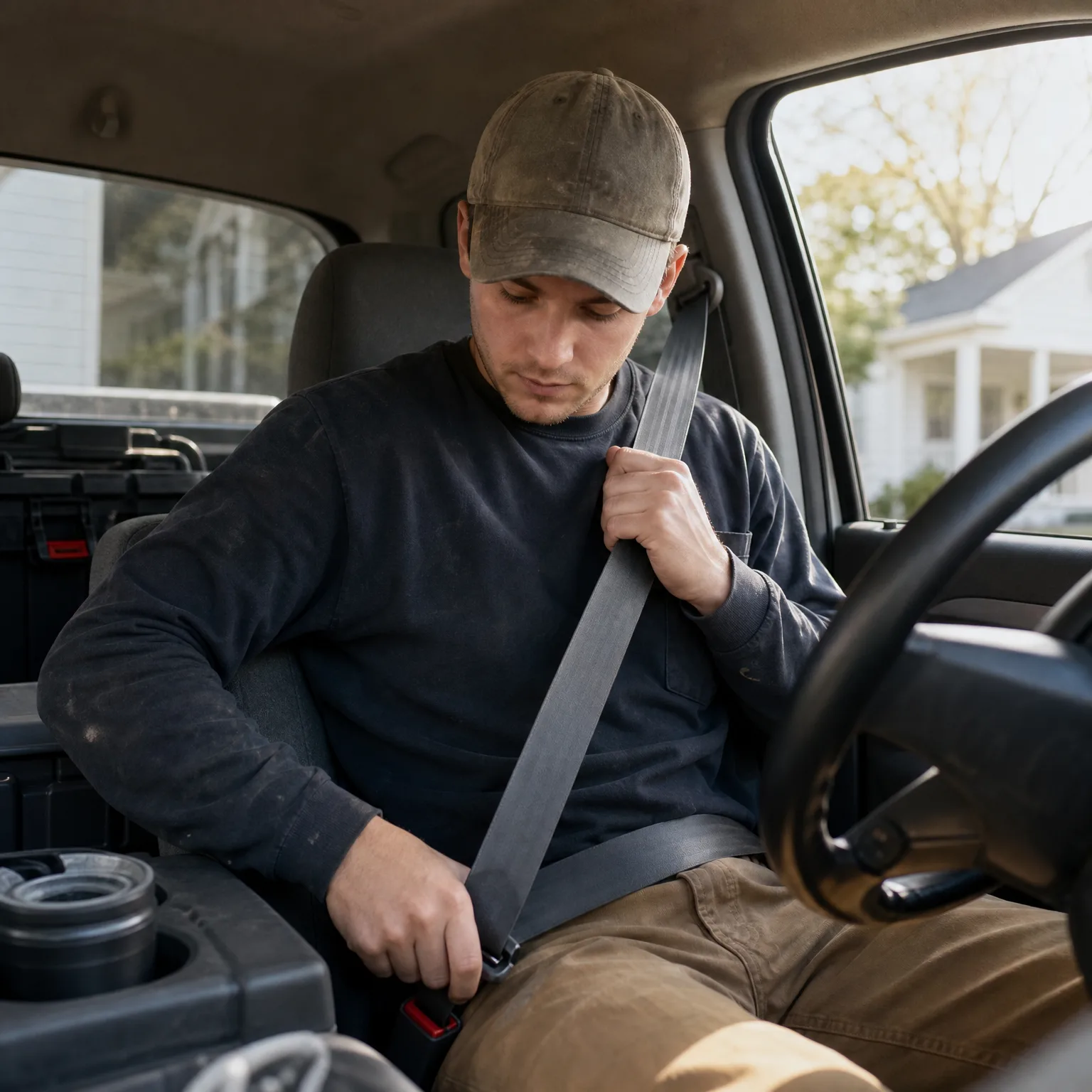
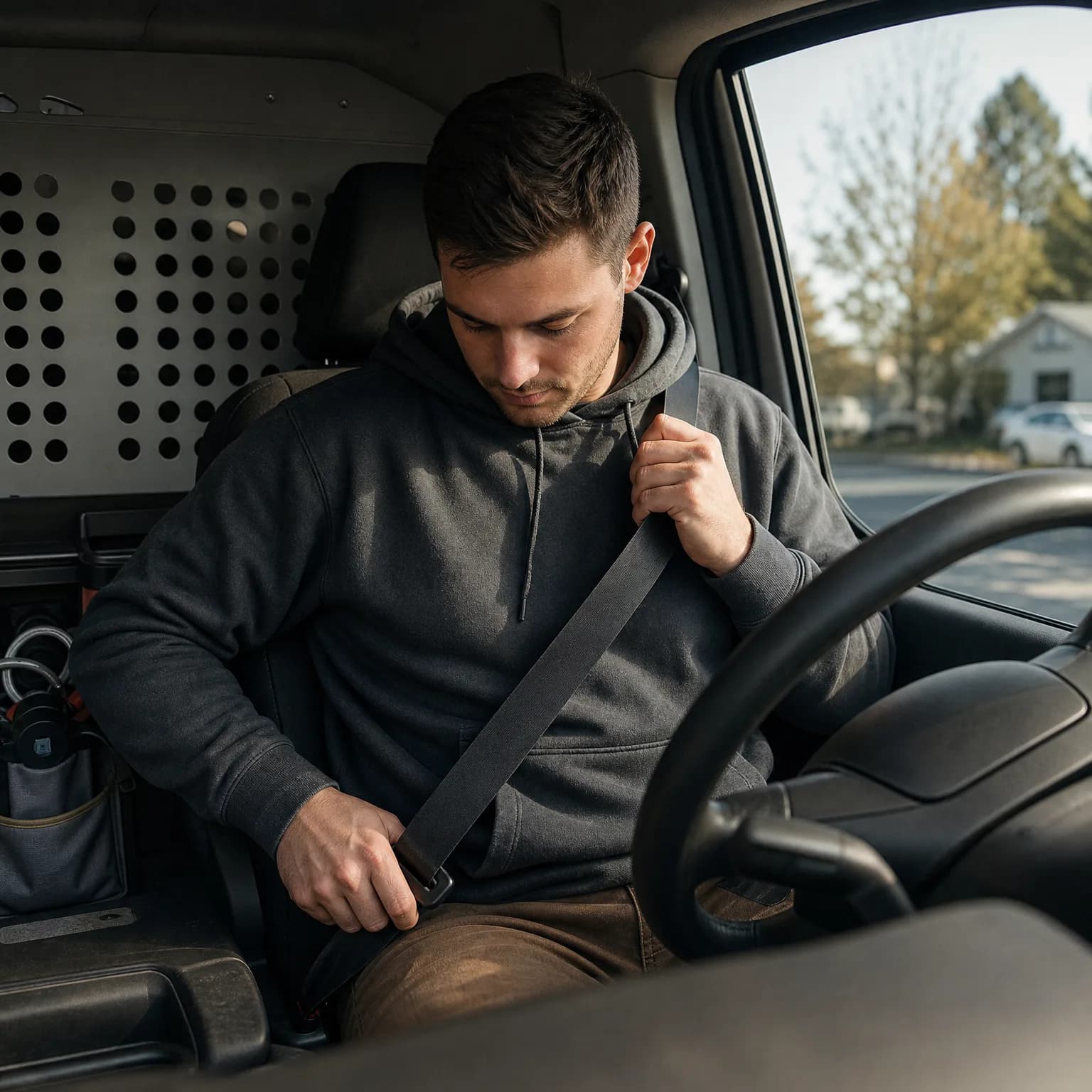
Alabama's ignition interlock mandate applies to all DUI-related restricted licenses and most reinstatements after first-offense conviction. The device adds $70–$150/month on top of insurance premiums.



Ignition Interlock Device Costs
Alabama Code § 32-5A-191 requires ignition interlock installation for any restricted license issued during a DUI suspension and for most reinstatements after first-offense conviction. The device itself costs $70 to $150 per month, covering installation, monthly calibration, and removal at the end of the mandate period. ALEA maintains a list of certified IID vendors; using a non-certified vendor voids your restricted license or reinstatement eligibility.
IID costs are separate from insurance premiums. Budget for both simultaneously. Most Alabama drivers discover this requirement only when they petition the circuit court for a restricted license and are told interlock installation is a prerequisite to approval. The court does not subsidize device costs, and failure to maintain calibration triggers an automatic violation report to ALEA.
The interlock mandate runs concurrently with the SR-22 filing period for most first-offense cases, meaning both expire after 3 years. Second and subsequent offenses face longer IID requirements — 18 months to 5 years depending on offense count and BAC level at arrest.
3 years
Alabama SR-22 Filing Duration
The 3-year period begins when ALEA processes your reinstatement, not when your suspension ends. Any lapse in coverage during this window resets the entire 3-year clock and re-suspends your license immediately.
Alabama Code § 32-5A-191
Non-Owner SR-22 for Suspended Drivers
If you sold your vehicle after the DUI conviction or do not currently own a car, Alabama still requires SR-22 filing to reinstate your license. Non-owner SR-22 policies cover liability when you drive a borrowed or rented vehicle. Monthly premiums range from $45 to $95 for non-standard carriers writing Alabama non-owner policies: Dairyland, GAINSCO, Geico, Progressive, The General, and USAA.
Non-owner policies do not cover a vehicle you own, lease, or regularly use. If you later buy a car during the 3-year SR-22 period, you must switch to a standard auto policy and transfer the SR-22 filing to the new policy without any lapse. The 3-year clock continues uninterrupted as long as continuous coverage is maintained.
Compare Alabama DUI Carriers Now
Alabama DUI insurance quotes vary by up to $200 per month between non-standard carriers for identical coverage. Acceptance Insurance, Bristol West, Dairyland, and Direct Auto all write Alabama SR-22 policies with ignition interlock acceptance, but each uses different underwriting models for first-offense DUI. Request quotes from at least three carriers before committing. ALEA does not care which carrier files your SR-22 as long as the filing is continuous and meets minimum liability thresholds. Switch carriers mid-term if a better rate appears — just ensure the new SR-22 filing is processed before canceling the old policy to avoid any lapse.
Monthly Premium Ranges by Carrier Tier
Non-standard tier carriers — Acceptance Insurance, Bristol West, Dairyland, Direct Auto, GAINSCO, and The General — write policies for Alabama DUI drivers with active SR-22 requirements. Monthly premiums typically range from $180 to $380 for minimum liability coverage. These carriers calculate risk differently: some penalize first-offense DUI less heavily than points-based suspensions; others tier by time since conviction. All accept ignition interlock devices without additional underwriting delays.
Standard tier carriers — Progressive, Geico, State Farm, and National General — will write SR-22 policies for Alabama drivers, but only after the conviction ages beyond 3 years or if no ignition interlock is required. Monthly premiums for post-waiting-period DUI drivers range from $110 to $220 for minimum liability. These carriers do not accept active IID installations, meaning you cannot move to standard-tier pricing until Alabama's interlock mandate expires for your case.
Get Your Free Quote
Get My Alabama DUI Insurance QuoteFrequently Asked Questions
How much does SR-22 insurance cost per month in Alabama after a DUI?
Monthly premiums range from $180 to $380 for non-standard carriers writing Alabama DUI policies with SR-22 filing. Standard-tier carriers like Progressive and Geico offer $110 to $220 per month, but only after the conviction ages beyond 3 years and ignition interlock requirements expire.
Does Alabama require ignition interlock for all DUI convictions?
Alabama requires ignition interlock for any restricted license issued during a DUI suspension and for most reinstatements after first-offense conviction under Alabama Code § 32-5A-191. Second and subsequent offenses face mandatory interlock periods ranging from 18 months to 5 years.
Can I get SR-22 insurance in Alabama without owning a car?
Yes. Non-owner SR-22 policies provide liability coverage when you drive a borrowed or rented vehicle. Alabama carriers writing non-owner SR-22 include Dairyland, GAINSCO, Geico, Progressive, The General, and USAA, with monthly premiums ranging from $45 to $95.
What happens if my SR-22 insurance lapses in Alabama?
ALEA re-suspends your license immediately through Alabama's Online Insurance Verification System the moment your carrier reports a lapse. When you reinstate again, the entire 3-year SR-22 filing requirement resets from day one, and you pay the $375 reinstatement fee again.
How long does Alabama require SR-22 filing after DUI?
Alabama requires SR-22 filing for 3 years following DUI reinstatement. The clock starts when ALEA processes your reinstatement, not from your conviction date. Any lapse in coverage during this period resets the entire 3-year requirement.
Which Alabama insurance carriers accept drivers with ignition interlock devices?
Non-standard carriers accepting ignition interlock installations include Acceptance Insurance, Bristol West, Dairyland, Direct Auto, GAINSCO, and The General. Standard-tier carriers typically exclude active IID-equipped drivers from eligibility.