
Insurance After Refusing a Breath Test — Alabama
Free to compare
The Refusal Penalty No One Warned You About
You refused the breath test because you thought it would help your case, and now the Alabama Law Enforcement Agency has issued a 90-day administrative license suspension under the state's implied consent law. What you likely didn't know at the traffic stop: Alabama treats chemical test refusal more harshly than test failure when it comes to hardship eligibility. Drivers who fail the breath test can petition for a restricted license after a waiting period. Drivers who refuse cannot—the full 90 days run with zero driving privileges.
This isn't a court suspension tied to a DUI conviction. It's an administrative action triggered the moment you declined the test, processed entirely through ALEA's Driver License Division under Alabama Code § 32-5A-304. The criminal case moves separately. Even if you're acquitted later, the refusal suspension stands. Insurance becomes required the moment you want your license back, and finding coverage after a refusal notation on your MVR is harder than most drivers expect.
“Refusal triggers the same 90-day suspension as test failure, but Alabama bars hardship eligibility entirely for refusal cases.”

Find Alabama Coverage After a DUI
Get My Alabama DUI Insurance Quote90 days
AL First Refusal Suspension
Alabama's implied consent statute imposes a mandatory 90-day administrative suspension for first-time chemical test refusal, with no hardship or restricted license available during this period—unlike test-failure suspensions where work permits may be granted.
Alabama Code § 32-5A-304
Why Refusal Blocks Hardship When Test Failure Does Not
Alabama operates a dual-track suspension system for DUI arrests. ALEA issues an administrative license suspension immediately upon chemical test refusal or failure, independent of any court outcome. A separate judicial suspension follows if you're convicted in criminal court. The administrative and judicial tracks run parallel, each with its own reinstatement process.
Here's the structural quirk: chemical test failure triggers a 90-day administrative suspension, but drivers can petition the circuit court for a restricted license after serving a mandatory hard suspension period—typically 30 days for first offense. Chemical test refusal triggers the same 90-day suspension, but Alabama's implied consent statute explicitly bars hardship license eligibility for the refusal suspension. The legislature wrote refusal as a separate, harsher category specifically to deter drivers from declining the test.
Circuit court judges have wide discretion in Alabama's hardship process. They regularly grant restricted licenses to DUI arrestees who submitted to testing, even when the test showed high BAC. They cannot grant restricted licenses for refusal suspensions because the statute doesn't permit it. The refusal notation on your ALEA record functions as an automatic disqualifier for the first 90 days.
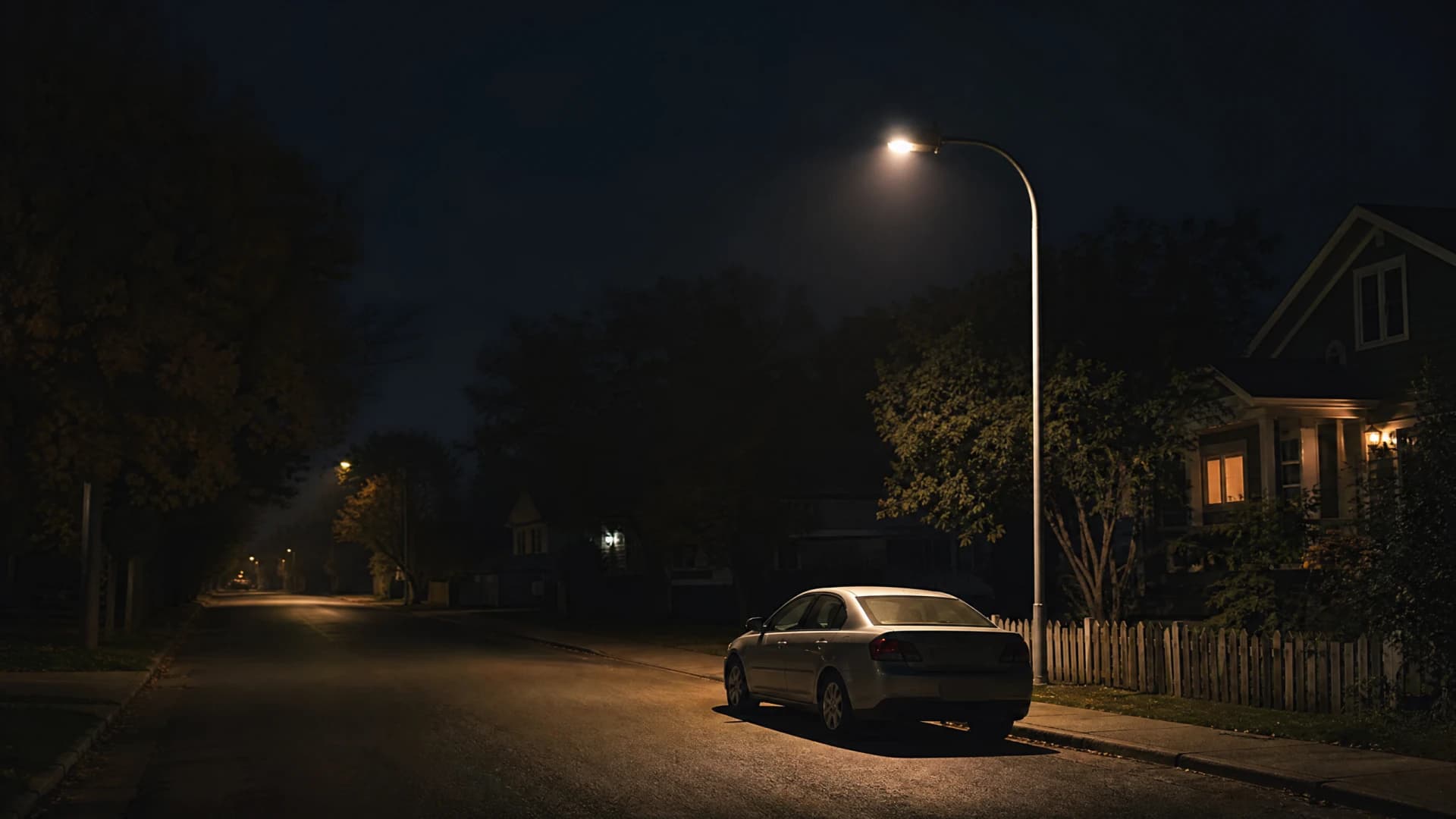
The refusal suspension bars hardship eligibility entirely—no work permit, no restricted license, no exceptions for the full 90 days.


Reinstatement Process After the 90-Day Period Ends
Once the 90-day refusal suspension expires, you must complete reinstatement before ALEA will restore your driving privileges. This is not automatic. The suspension lifts the prohibition on driving, but your license remains in suspended status until you satisfy ALEA's requirements and pay the reinstatement fee.
Alabama charges a $100 fee specifically for DUI-related reinstatements, layered on top of the standard $275 base reinstatement fee—total $375 for refusal cases. You'll also need to submit proof of SR-22 filing before ALEA processes reinstatement. Some ALEA offices allow online reinstatement for certain suspension types, but refusal cases tied to DUI arrests typically require an in-person visit to verify documentation. Bring your SR-22 certificate, payment for both fees, and government-issued photo ID.
If your refusal case also resulted in a DUI conviction in criminal court, you face a second suspension from the judicial side. That suspension carries its own reinstatement requirements: completion of a DUI education program (ADSAP in Alabama), possible ignition interlock device installation for repeat offenses, and a separate court-ordered fine structure. ALEA will not fully reinstate your license until both the administrative refusal suspension and the judicial conviction suspension are cleared. The SR-22 filing period starts from whichever reinstatement date comes last.
Many drivers discover mid-reinstatement that they owe court fines or have outstanding failure-to-appear warrants from the original DUI arrest. ALEA will not process reinstatement while these holds remain active on your record. Check your case status through Alabama's Alacourt system before visiting ALEA to avoid wasted trips. Unpaid court costs from the DUI case are a separate blocker from the ALEA reinstatement fees and must be resolved through the court clerk's office in the county where you were arrested.
$375
AL DUI Refusal Reinstatement Fee
Alabama imposes a $100 DUI-specific fee on top of the standard $275 base reinstatement fee for all alcohol-related administrative suspensions, including chemical test refusal cases.
ALEA Driver License Division fee schedule
Non-Owner SR-22 If You Sold Your Vehicle
Drivers who sold their vehicle after the arrest or who never owned one face a documentation problem: how do you maintain SR-22 filing without an insured vehicle? Alabama accepts non-owner SR-22 policies, which provide liability coverage when you drive a borrowed or rented vehicle but do not cover a specific car registered in your name. Non-owner policies cost less than standard auto policies—typically $40 to $90 per month for minimum liability—because the insurer's risk exposure is lower.
Carriers writing non-owner SR-22 in Alabama include Dairyland, The General, GAINSCO, Progressive, and Geico. Not all carriers offer non-owner policies, and many exclude them for drivers with refusal notations, so expect to call multiple carriers or work with an independent agent who specializes in high-risk placements. The non-owner policy satisfies ALEA's SR-22 requirement for the full three-year filing period. If you purchase a vehicle later, you'll need to convert the non-owner policy to a standard auto policy and have your insurer refile the SR-22 under the new policy number.
Compare Alabama SR-22 Carriers Writing Refusal Cases
Monthly premiums for SR-22 coverage after chemical test refusal vary widely by carrier, county, age, and whether you bundle with other violations on your MVR. Non-standard carriers price refusal cases individually rather than using standardized rate tables, which means quotes from five carriers can span a $100 monthly range for identical coverage. Requesting quotes from multiple carriers is not optional—it's the only way to find the lowest available rate for your specific profile.
Alabama permits electronic SR-22 filing, so most carriers can activate your SR-22 certificate within 24 to 72 hours of binding coverage. ALEA's system updates in near real-time once the insurer submits the filing. You can verify SR-22 status on your ALEA driver record online or by calling the Driver License Division. Start the insurance shopping process at least two weeks before your 90-day suspension expires to avoid a gap between the suspension lift date and your reinstatement appointment. Driving on a suspended license—even one day into the 91st day—adds a new conviction that restarts the SR-22 filing clock and triggers additional suspension time.
SR-22 Filing Requirement and Insurance Access
The SR-22 is not insurance. It's a state-mandated electronic filing your insurer submits to ALEA confirming you carry at least Alabama's minimum liability coverage: $25,000 bodily injury per person, $50,000 per accident, and $25,000 property damage. Your insurer charges a filing fee—typically $15 to $50—and monitors your policy continuously. If you cancel coverage or let it lapse at any point during the three-year period, your insurer notifies ALEA within 10 days and your license suspends immediately until you refile.
Finding a carrier willing to write coverage after a refusal notation is the structural blocker most drivers hit. Standard carriers—State Farm, Allstate, Geico for preferred-tier customers—often decline refusal cases or quote premiums 200 to 300 percent above base rates. Non-standard carriers specialize in high-risk drivers and will write SR-22 policies for refusal cases, but monthly premiums for minimum liability typically run $120 to $220 in Alabama depending on age, county, and whether you have prior violations. Carriers writing Alabama SR-22 after refusal include Dairyland, The General, Direct Auto, GAINSCO, Bristol West, and Progressive's non-standard division.
Get Your Free Quote
Get My Alabama DUI Insurance QuoteFrequently Asked Questions
Can I get a hardship license during my Alabama refusal suspension?
No. Alabama's implied consent statute explicitly bars hardship or restricted license eligibility for chemical test refusal suspensions. Drivers who fail the breath test can petition for a restricted license after a waiting period, but refusal cases serve the full 90 days with zero driving privileges.
How long does SR-22 filing last after a breath test refusal in Alabama?
Alabama requires SR-22 filing for three years from your license reinstatement date after a refusal suspension. The clock starts when ALEA reinstates your license, not from the arrest date or the end of the suspension period. If your policy lapses at any point during the three years, your license suspends immediately.
What happens if I'm acquitted of DUI after refusing the breath test?
The 90-day administrative refusal suspension stands regardless of your criminal court outcome. ALEA issues the suspension under Alabama's implied consent law the moment you refuse the test, independent of whether you're later convicted or acquitted. A not-guilty verdict does not erase the refusal suspension or remove the SR-22 filing requirement.
Do I need SR-22 if I don't own a car after my Alabama refusal suspension?
Yes. Alabama requires continuous SR-22 filing for three years after reinstatement regardless of whether you own a vehicle. You can satisfy this with a non-owner SR-22 policy, which provides liability coverage when you drive borrowed or rented vehicles. Non-owner policies typically cost $40 to $90 per month in Alabama for minimum liability coverage.
How much does SR-22 insurance cost in Alabama after refusing a breath test?
Monthly premiums for minimum liability SR-22 coverage after refusal typically range from $120 to $220 in Alabama, depending on your age, county, driving history, and the carrier. Non-standard carriers writing refusal cases include Dairyland, The General, Direct Auto, GAINSCO, and Bristol West. Quotes vary significantly by carrier, so comparing multiple options is necessary to find the lowest rate.
Can I reinstate my Alabama license online after a refusal suspension?
Refusal suspensions tied to DUI arrests typically require an in-person visit to ALEA to verify documentation and pay reinstatement fees. You'll need your SR-22 certificate, $375 in reinstatement fees ($275 base plus $100 DUI surcharge), and government-issued photo ID. Some ALEA offices allow online reinstatement for insurance-lapse suspensions, but not for alcohol-related administrative suspensions.