
Breathalyzer Refusal Insurance — Alabama
Free to compare
Why Refusal Suspensions Block Hardship License Access
Alabama's implied consent law (§ 32-5A-304) treats breathalyzer refusal differently than test failure. ALEA issues a 90-day administrative license suspension the moment you refuse, and Alabama law does not permit hardship or restricted driving privileges during refusal suspensions—even if you later beat the criminal DUI charge in court. The administrative suspension runs parallel to any criminal case and operates under separate rules.
Test-failure suspensions allow restricted license petitions after a mandatory hard period. Refusal suspensions do not. This distinction catches drivers off guard because they assume all DUI-related suspensions follow the same reinstatement pathway. They do not. The refusal suspension is its own procedural track, and the 90 days are absolute.
“Refusal suspensions in Alabama allow zero hardship driving—the 90 days are absolute, and no petition will shorten them.”
Find Alabama Coverage After a DUI
Get My Alabama DUI Insurance Quote90 days
Alabama Refusal Suspension Period
First-offense breathalyzer refusal triggers a mandatory 90-day administrative suspension under § 32-5A-304. No driving is permitted during this window, and no hardship petition will be granted until the full suspension concludes.
Alabama Code § 32-5A-304
The Two-Track System: Administrative vs Criminal
Alabama operates a dual-track DUI system. ALEA issues the administrative license suspension (ALS) upon arrest and refusal, independent of what happens in criminal court. Even if your attorney negotiates a plea to reckless driving or the prosecutor drops the DUI charge entirely, the administrative refusal suspension stands. Beating the criminal charge does not undo the administrative suspension.
The criminal court may impose its own separate suspension if you are convicted of DUI. That suspension would start after the administrative refusal suspension ends, and it would carry its own reinstatement requirements. This means you face two separate suspension periods if both tracks result in penalties.
The administrative suspension requires SR-22 filing for reinstatement regardless of the criminal case outcome. ALEA does not care whether you were convicted—refusal alone triggers the SR-22 requirement because the administrative suspension is anchored to the arrest event, not the court verdict.
No hardship license is available during Alabama's 90-day breathalyzer refusal suspension—the block is absolute until the suspension period ends.
Reinstatement Requirements After the 90 Days
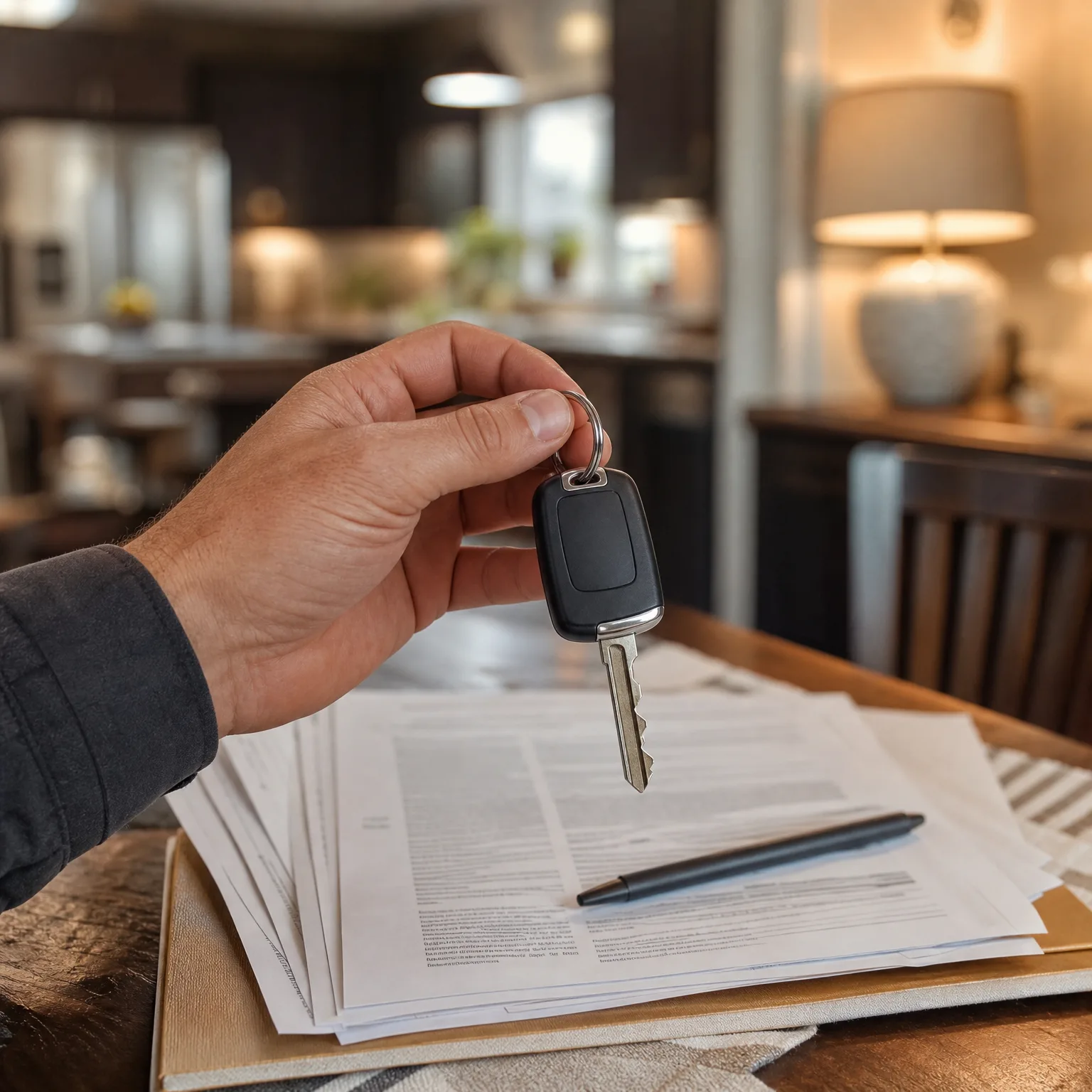
Once the 90-day suspension period concludes, you must complete ALEA's reinstatement process before driving legally again. You need proof of SR-22 filing from an Alabama-licensed carrier, payment of the $275 base reinstatement fee, and payment of the additional $100 administrative suspension fee. Total out-of-pocket before you get your license back: $375 minimum, plus the first month's SR-22 premium.
ALEA does not automatically reinstate your license when the 90 days end. You must initiate reinstatement yourself. The suspension lifts only after ALEA processes your paperwork and confirms SR-22 filing. Processing typically takes 3–5 business days if submitted online through the ALEA driver license portal, longer if you reinstate in person at a field office.
If you also face a criminal DUI conviction from the same arrest, the court-imposed suspension will start immediately after ALEA lifts the administrative refusal suspension. The court suspension carries its own reinstatement requirements, often including DUI education or substance abuse assessment. These are separate from the administrative reinstatement and must be completed before the court will clear its hold on your license.
$375
Alabama Refusal Reinstatement Fees
ALEA charges $275 base reinstatement fee plus $100 administrative suspension fee for breathalyzer refusal cases. This does not include SR-22 filing fees or the first month's premium, which add another $125–$230 depending on carrier.
ALEA Driver License Division fee schedule
Non-Owner SR-22 If You Sold Your Vehicle
Many drivers sell their vehicle during the 90-day suspension because they cannot drive anyway and do not want to carry full coverage on a parked car. If you no longer own a vehicle when reinstatement arrives, you need a non-owner SR-22 policy instead of standard liability. Non-owner policies provide liability coverage when you drive a borrowed or rented vehicle, and they satisfy ALEA's SR-22 requirement without requiring you to own a car.
Non-owner SR-22 premiums run $40–$90/month after refusal, significantly cheaper than standard SR-22 because the policy does not cover a specific vehicle. Carriers like Dairyland, GAINSCO, The General, and Progressive write non-owner SR-22 in Alabama. The policy must remain active for the full three-year SR-22 period even if you buy a vehicle later—at that point you would add a standard policy and the carrier would transfer the SR-22 filing to the new policy.
Compare Alabama SR-22 Carriers Now
Start gathering SR-22 quotes before your 90-day suspension ends so coverage is active the day you reinstate. Waiting until day 90 delays reinstatement because ALEA requires proof of SR-22 filing before processing your application. Carriers need 1–3 business days to file the SR-22 certificate electronically with ALEA after you bind the policy, so lining up coverage a week early ensures no gap between suspension end and reinstatement eligibility.
What SR-22 Filing Covers After Refusal
Alabama requires $25,000 bodily injury per person, $50,000 bodily injury per accident, and $25,000 property damage. Your SR-22 policy must meet or exceed these minimums. The SR-22 filing itself costs $15–$50 depending on the carrier, but the insurance premium will increase because carriers view refusal suspensions as high-risk indicators. Non-standard carriers typically quote $110–$180/month for SR-22 liability after refusal.
The SR-22 must remain active for three years from the date ALEA reinstates your license. If your policy lapses or cancels during that period, the carrier reports the cancellation to ALEA within 10 days and your license is re-suspended immediately. The three-year clock does not pause—if you let coverage lapse six months in, you start over with a new suspension and a new three-year SR-22 period.
Get Your Free Quote
Get My Alabama DUI Insurance QuoteFrequently Asked Questions
Can I get a hardship license after refusing a breathalyzer in Alabama?
No. Alabama does not permit hardship or restricted licenses during breathalyzer refusal suspensions. The 90-day administrative suspension must run its full course before you can apply for reinstatement. Test-failure DUI suspensions allow hardship petitions after a hard period, but refusal suspensions do not.
Does SR-22 filing cost more after breathalyzer refusal?
The SR-22 filing fee itself is $15–$50, but your insurance premium increases significantly because carriers classify refusal as high-risk. Non-standard SR-22 liability premiums typically run $110–$180/month after refusal in Alabama, compared to $60–$90/month for clean-record drivers.
What happens if I beat the DUI charge but refused the breathalyzer?
The administrative refusal suspension stands regardless of your criminal case outcome. ALEA issues the 90-day suspension based on the refusal event at arrest, independent of whether you are convicted. Beating the criminal charge does not lift the administrative suspension or eliminate the SR-22 requirement for reinstatement.
How long must I maintain SR-22 after Alabama breathalyzer refusal?
Alabama requires three years of continuous SR-22 filing from the date ALEA reinstates your license. If your policy lapses or cancels during those three years, ALEA re-suspends your license immediately and the three-year clock resets when you reinstate again.
Can I reinstate my Alabama license online after breathalyzer refusal?
Yes, if you meet all requirements. ALEA's online reinstatement portal handles refusal suspensions once the 90 days conclude, you have SR-22 proof on file, and you pay the $275 base fee plus $100 administrative suspension fee. Processing takes 3–5 business days for online submissions.
Do I need a vehicle to get SR-22 after breathalyzer refusal in Alabama?
No. If you do not own a vehicle, a non-owner SR-22 policy satisfies ALEA's requirement. Non-owner policies provide liability coverage when you drive borrowed or rented vehicles and typically cost $40–$90/month, less than standard SR-22 because no vehicle is listed on the policy.