
DUI Insurance for Uber Drivers — Alabama
Free to compare
The Rideshare Coverage Problem After Alabama DUI
You drove for Uber or Lyft in Alabama, received a DUI conviction, and now you're trying to map the path back to earning. Your circuit court approved a restricted license for employment purposes. You filed SR-22. You paid the $275 base reinstatement fee plus the $200 DUI-specific fee. The Alabama Law Enforcement Agency (ALEA) shows your license as restricted-valid. But when you contact your old carrier to add rideshare coverage back, they decline — and you're discovering that most standard carriers won't write rideshare policies for drivers with recent DUI convictions, even when the state has granted restricted driving privileges.
Alabama's restricted license statute allows court-defined purposes including employment, and rideshare driving is employment. The court order and the SR-22 filing satisfy the state's legal requirements. The blocker isn't legal eligibility — it's carrier underwriting policy. Most personal auto carriers either exclude rideshare coverage entirely or apply a lookback period (typically 3–5 years) for DUI convictions before they'll extend commercial-use endorsements. That creates a structural gap: you're legally allowed to drive for work under your restricted license, but you cannot obtain the insurance Uber and Lyft require to activate your account.
“Alabama's restricted license allows employment driving, but most carriers won't write the rideshare coverage Uber requires after a DUI.”

Find Alabama Coverage After a DUI
Get My Alabama DUI Insurance Quote$475
Alabama DUI Reinstatement Cost
Alabama charges a $275 base reinstatement fee plus a separate $200 DUI-specific fee, totaling $475 before any attorney fees, SR-22 filing costs, or ignition interlock device charges. This is the upfront cost to regain restricted driving privileges.
Alabama Law Enforcement Agency fee schedules, current as of 2025
What Alabama's Restricted License Actually Allows
Alabama Code does not use the term "hardship license." The statutory name is restricted license, issued by circuit court petition under conditions defined by the judge. For DUI-related suspensions, Alabama requires a mandatory hard suspension period before you can petition — typically 90 days for a first offense, longer for subsequent offenses. During the hard suspension, no driving is permitted. Once the hard period ends, you may petition the circuit court for a restricted license.
The court order defines your allowed purposes. Common approved purposes include travel to and from work, school, medical appointments, court-ordered programs (DUI education classes, substance abuse treatment), and ignition interlock service appointments. Employment is explicitly recognized as a valid restricted-license purpose. The order also defines time restrictions — typically limited to the hours necessary for the stated purpose, not 24-hour access.
Alabama law requires ignition interlock installation for restricted licenses stemming from DUI convictions (Alabama Code § 32-5A-191). The IID must remain installed for the duration of the restricted period and often continues into full reinstatement. Your restricted license is valid only when driving a vehicle equipped with a functioning IID connected to ALEA's monitoring system. Uber and Lyft both allow IID-equipped vehicles on their platforms, so the device itself does not disqualify you from rideshare work — but the insurance gap does.
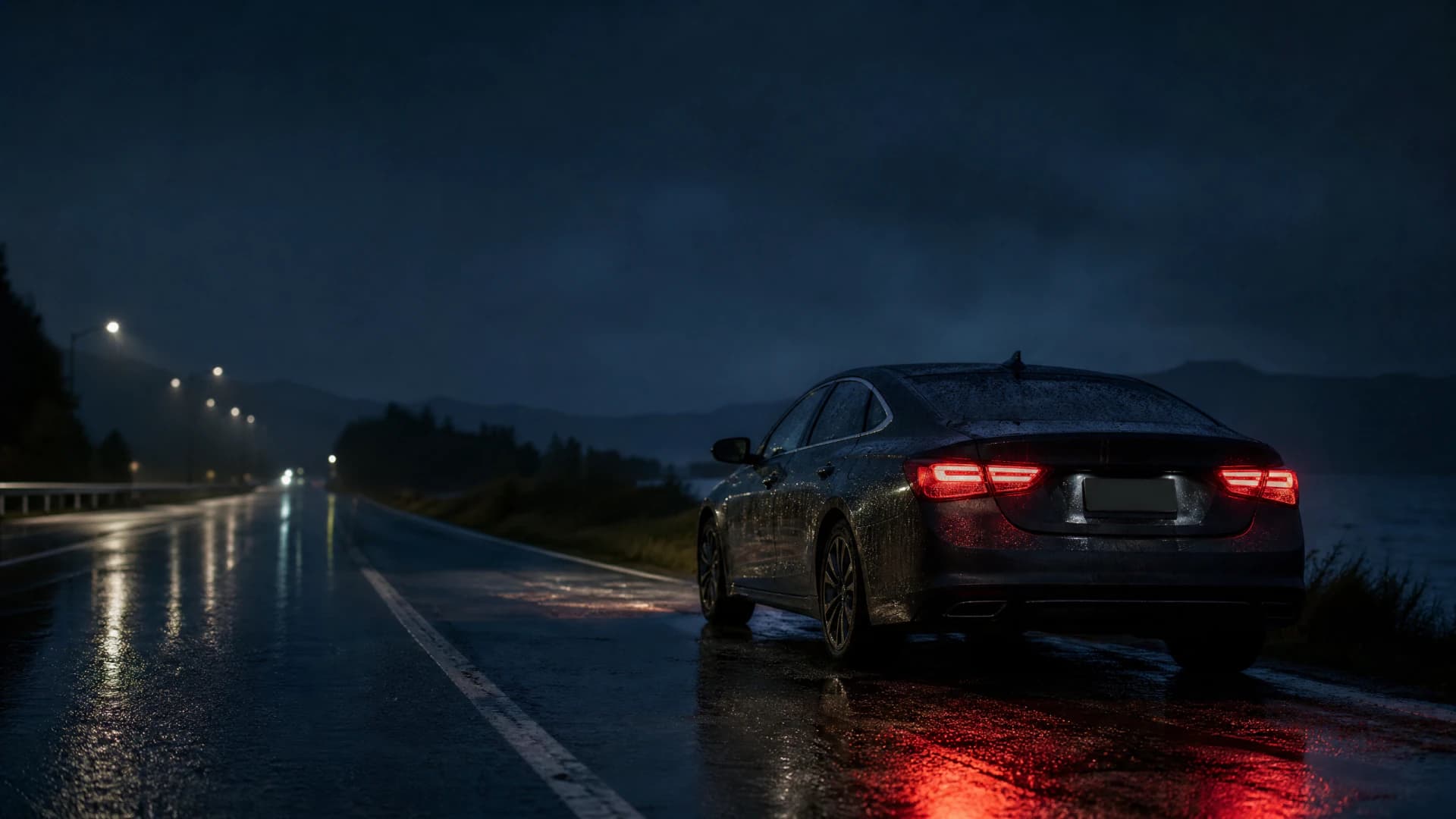
Most standard carriers exclude rideshare coverage for drivers with DUI convictions in the past 3–5 years, even when Alabama has granted restricted employment driving.

What Post-DUI Rideshare Insurance Costs in Alabama
SR-22 insurance after a DUI in Alabama typically costs $145–$240 per month for liability-only coverage meeting the state's minimum requirements ($25,000 bodily injury per person, $50,000 per accident, $25,000 property damage). That's the baseline for personal use. Adding rideshare coverage — when a carrier will write it — increases the premium by 40–80% because the policy now covers commercial activity and higher liability exposure. Post-DUI rideshare premiums in Alabama typically range from $220–$380 per month for the first year, declining in year two and three as the DUI ages.
The cost structure depends on the carrier tier you access. Non-standard carriers writing SR-22 after DUI (Dairyland, The General, Bristol West) quote personal-use-only policies in the $145–$210/month range for liability coverage. Adding a rideshare endorsement, when available, adds $60–$120/month. Specialty commercial auto policies designed for high-risk rideshare drivers start at $280/month and can exceed $400/month depending on your driving record, the county you operate in (Jefferson County and Mobile County rates run higher than rural counties), and your vehicle year and value.
Alabama requires SR-22 filing for 3 years following DUI conviction, measured from the conviction date. Your premium will decline each year as the DUI ages, but the SR-22 filing fee (typically $25–$50 per year depending on carrier) remains constant. Ignition interlock costs are separate: installation averages $150–$200, monthly monitoring and calibration fees average $70–$100, and removal costs $50–$75. These are not insurance costs but they are part of your total cost of returning to rideshare driving in Alabama after a DUI.
$220–$380/mo
Alabama Post-DUI Rideshare Premium Range
First-year rideshare insurance for Alabama drivers with DUI convictions typically costs $220–$380 per month when coverage is available. Rates decline in years two and three as the violation ages. Standard rideshare endorsements for clean-record drivers average $95–$140/month for comparison.
Industry rate estimates; individual results vary by carrier, county, and driving history
How to Navigate the Application Process
Contact a non-standard auto broker who works with multiple high-risk carriers rather than quoting online through individual carrier websites. Carrier websites auto-decline most DUI applicants seeking rideshare coverage, but brokers can submit to specialty underwriters who manually review cases. Provide your restricted license documentation, your SR-22 certificate, your ignition interlock installation certificate, and your Uber or Lyft driver agreement when requesting quotes — underwriters need proof that the employment purpose on your restricted license specifically includes rideshare driving.
If no carrier will write rideshare coverage during your restricted license period, you have two fallback options. Option one: drive for a delivery platform instead of rideshare. DoorDash, Uber Eats, and similar services require commercial auto insurance, but underwriting for delivery is less strict than rideshare because you are not transporting passengers. Many non-standard carriers that decline rideshare will approve delivery coverage. Option two: wait until your restricted license converts to full reinstatement (typically after completing the restricted period and any required DUI education or treatment programs), then apply for rideshare coverage. Carriers are more willing to write rideshare policies once the suspension is fully resolved, though the DUI lookback period still applies.
Next Step: Get Quotes from Carriers Writing Alabama SR-22
Request quotes from Progressive, National General, and Bristol West first — these three write SR-22 in Alabama and have rideshare programs, though approval is not guaranteed with a recent DUI. If those decline, contact a non-standard broker and ask specifically about commercial auto policies for high-risk rideshare drivers rather than personal auto with endorsements. Provide your restricted license order, SR-22 filing proof, and IID installation certificate upfront to avoid quoting delays. Compare the monthly premium against your expected rideshare earnings — if coverage costs exceed what you can earn during restricted hours, delivery platforms or non-driving gig work may be the better short-term path until full reinstatement.
Which Carriers Write Post-DUI Rideshare Coverage in Alabama
The rideshare insurance market divides into three tiers. Tier one: personal auto carriers offering rideshare endorsements (State Farm, Allstate, GEICO, Progressive). These carriers typically exclude drivers with DUI convictions within 3–5 years, and many will not write SR-22 policies that include rideshare coverage. Tier two: non-standard auto carriers writing SR-22 after DUI (Dairyland, The General, Bristol West, National General). These carriers write high-risk policies and file SR-22, but most do not offer rideshare endorsements — their policies cover personal use only. Tier three: specialty rideshare carriers and commercial auto insurers. This is where post-DUI rideshare drivers find coverage, but availability in Alabama is limited and rates are significantly higher than standard personal auto.
Progressive is the only major carrier that writes both rideshare endorsements and SR-22 policies in Alabama, but their underwriting guidelines vary by state and they frequently decline rideshare coverage for drivers with recent DUI convictions. Dairyland writes SR-22 and non-owner policies for DUI-suspended drivers in Alabama but does not offer rideshare endorsements. Bristol West writes SR-22 after DUI and operates in Alabama, but rideshare coverage requires underwriter approval on a case-by-case basis. National General writes SR-22 and has a rideshare program, but DUI lookback periods apply. The most consistent path for Alabama Uber drivers with recent DUI convictions is commercial auto coverage through a specialty broker, not a personal auto policy with a rideshare endorsement.
Get Your Free Quote
Get My Alabama DUI Insurance QuoteFrequently Asked Questions
Can I drive for Uber in Alabama with a restricted license after a DUI?
Alabama's restricted license allows court-defined employment purposes, and rideshare driving qualifies as employment. The legal barrier is not the restricted license — it's obtaining insurance that covers rideshare activity after a DUI. Most standard carriers decline rideshare coverage for drivers with DUI convictions in the past 3–5 years. You need a non-standard carrier or specialty commercial policy willing to write both SR-22 and rideshare coverage.
How much does rideshare insurance cost after a DUI in Alabama?
Post-DUI rideshare insurance in Alabama typically costs $220–$380 per month for the first year, depending on the carrier tier and your county. Standard SR-22 liability coverage without rideshare costs $145–$240/month. Adding rideshare coverage increases the premium by 40–80% because the policy covers commercial activity. Rates decline in years two and three as the DUI ages.
Which insurance carriers write rideshare coverage after DUI in Alabama?
Progressive is the only major carrier that writes both rideshare endorsements and SR-22 policies in Alabama, but they frequently decline drivers with recent DUI convictions. National General and Bristol West write SR-22 and have rideshare programs but require underwriter approval case-by-case. Most Alabama Uber drivers with recent DUIs access coverage through specialty commercial auto policies placed by non-standard brokers, not personal auto carriers.
Do I need SR-22 insurance to drive for Uber after a DUI in Alabama?
Yes. Alabama requires SR-22 filing for 3 years following DUI conviction. Your restricted license is not valid without SR-22 proof of insurance on file with ALEA. Uber also requires proof of insurance that includes rideshare coverage. You need a single policy that satisfies both the state's SR-22 requirement and Uber's rideshare coverage requirement — most carriers will not write that combination for drivers with recent DUI convictions.
Can I use a non-owner SR-22 policy to drive for Uber in Alabama?
No. Non-owner SR-22 policies cover you when driving vehicles you do not own, but they do not include rideshare coverage. Uber requires a rideshare-specific endorsement or commercial policy covering the vehicle used for rideshare driving. Non-owner policies satisfy Alabama's SR-22 filing requirement for reinstatement, but they will not activate your Uber driver account.
How long does Alabama require SR-22 filing after a DUI?
Alabama requires SR-22 filing for 3 years following DUI conviction, measured from the conviction date. If your SR-22 lapses during that period — because you cancel the policy or the carrier cancels coverage — ALEA suspends your license again and the 3-year clock resets. You must maintain continuous SR-22 coverage for the full 3-year period to satisfy the requirement.
Does an ignition interlock device affect my ability to drive for Uber in Alabama?
Alabama requires ignition interlock installation for restricted licenses stemming from DUI convictions. The IID must remain installed for the duration of the restricted period. Uber and Lyft both allow IID-equipped vehicles on their platforms, so the device itself does not disqualify you from rideshare work. However, you must drive a vehicle with the IID installed — you cannot drive another person's vehicle without an IID during your restricted period.