
Two-DUI Insurance Costs — Alabama
Free to compare
Why Two DUIs Change Carrier Availability
Alabama treats a second DUI conviction within five years as a high-risk classification that removes you from standard-tier carrier eligibility immediately. Most drivers discover this when their current insurer non-renews at the end of the policy term, leaving a 30-day window to secure non-standard coverage before the SR-22 filing lapses and triggers a new administrative suspension.
The structural reality: two DUI convictions do not double your premium arithmetically. Instead, they shift you from standard carriers who decline to write the risk entirely, into non-standard carriers whose base rates start higher but whose underwriting focuses on post-conviction behavior—ignition interlock compliance, license status, and time elapsed since the second conviction—rather than the conviction count itself.
“Alabama's two-DUI underwriting focuses on ignition interlock compliance and conviction spacing—not conviction count—when determining carrier placement and premiums.”
Find Alabama Coverage After a DUI
Get My Alabama DUI Insurance Quote$185–$310/mo
Alabama Two-DUI Premium Range
Non-standard carriers writing Alabama two-DUI risks quote monthly liability premiums between $185 and $310 depending on county, age, ignition interlock compliance status, and time since second conviction. Rates stabilize after 12 months of clean IID records.
Estimates based on available non-standard carrier rate filings; individual rates vary.
What Alabama Requires After Two Convictions
Alabama mandates SR-22 filing for three years following DUI reinstatement, measured from the date your license is restored—not from the conviction date or suspension start date. The Alabama Law Enforcement Agency (ALEA) tracks SR-22 compliance electronically through the Online Insurance Verification System, and any lapse longer than one day triggers automatic re-suspension with a new $275 reinstatement fee plus the $200 DUI-specific fee.
Ignition interlock is required for any restricted license issued after a second DUI conviction, per Alabama Code § 32-5A-191. ALEA verifies IID installation before issuing the restricted license, and the device remains mandatory for the full restricted-license period—typically 90 days to two years depending on court order and conviction spacing. Carriers underwriting two-DUI risks require proof of active IID compliance at quote time and monthly thereafter.
Hard suspension periods vary: first-time DUI within five years triggers 90 days minimum before restricted-license eligibility; second DUI within five years triggers one year minimum. Alabama does not offer hardship eligibility during the hard suspension window—no driving is permitted, regardless of employment or medical need, until the minimum period expires.
Alabama non-standard carriers require active ignition interlock verification before binding coverage—missing or expired IID documentation stops the quote process immediately.





How Conviction Spacing Affects Premiums
Alabama applies a five-year lookback period for DUI convictions, meaning carriers assess whether your two convictions fall within that window or span beyond it. Two convictions within five years classify you as habitual-violator risk under Alabama's underwriting models, triggering the highest non-standard tier rates and often requiring court petition for license reinstatement beyond standard administrative procedures.
Convictions spaced beyond five years reset the underwriting clock: the older conviction no longer counts toward habitual classification, and you re-enter standard DUI underwriting rather than multi-offense underwriting. This distinction changes which carriers will quote and reduces premiums by 20 to 35 percent in most Alabama counties. ALEA maintains conviction records indefinitely, but carriers base risk assessment on the five-year window codified in Alabama's points and suspension structure.
Ignition interlock violation history matters more than conviction dates once you enter the non-standard market. A single IID tampering event, missed calibration, or failed startup test within the past 12 months raises quoted premiums by $40 to $70 per month across all non-standard carriers writing Alabama. Clean IID compliance for 18 consecutive months opens eligibility for mid-tier non-standard rates even with two convictions on record.
3 years
Alabama SR-22 Filing Duration
Alabama requires continuous SR-22 filing for three years following DUI-related reinstatement. The clock starts when ALEA restores your license, not when you purchase the policy. Any lapse—even one day—triggers automatic suspension and restarts the three-year requirement from zero.
Alabama Law Enforcement Agency reinstatement guidelines.
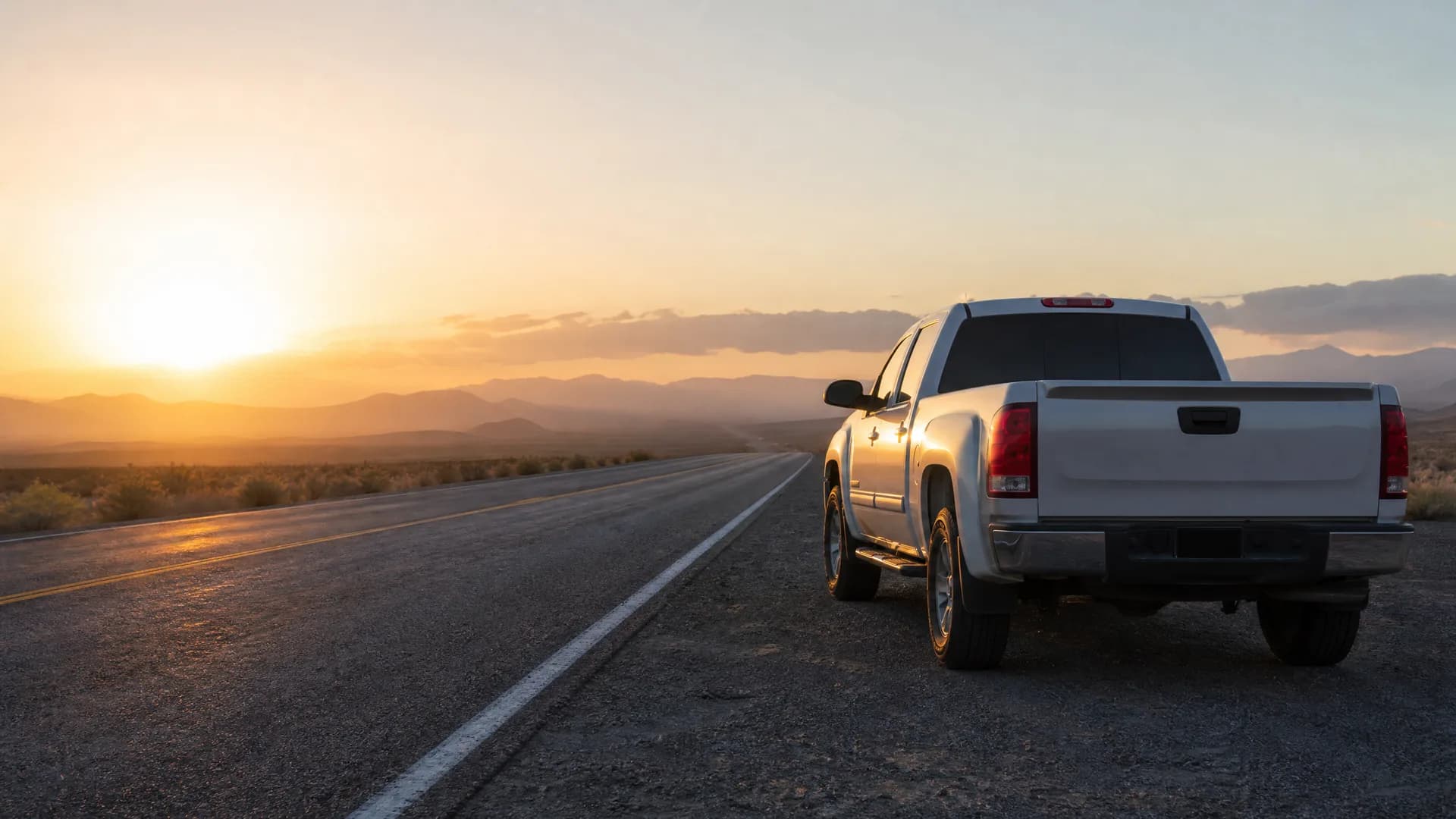
Non-Owner Policies for Restricted-License Periods
Alabama restricted licenses prohibit operation of any vehicle not explicitly listed on the court order, but ALEA still requires SR-22 filing during the restricted period even if you do not own a vehicle. Non-owner SR-22 policies satisfy this requirement and cost $65 to $95 per month with Dairyland, GAINSCO, or The General—roughly 40 percent less than owner policies because they exclude collision and comprehensive coverage.
Non-owner policies cover liability only, meeting Alabama's $25,000 per person / $50,000 per accident bodily injury and $25,000 property damage minimums. They do not cover vehicles you own, vehicles registered to household members, or vehicles you drive regularly for work. If you regain full license privileges and purchase a vehicle later, you must convert to an owner policy and re-file SR-22 with updated vehicle information within 10 days to avoid lapse.
What Happens When SR-22 Lapses
Carriers must notify ALEA electronically within one business day when your policy cancels for non-payment, and ALEA suspends your license the same day the notification posts. Alabama does not mail advance warning—you discover the suspension when you check your license status online or when law enforcement runs your information during a traffic stop. Reinstatement after SR-22 lapse requires paying the $275 base fee plus the $200 DUI-specific fee, securing new SR-22 coverage, and waiting 30 days minimum before ALEA processes reinstatement.
Compare Alabama SR-22 carrier rates now using your current ignition interlock status and conviction dates. Switching carriers mid-filing-period is allowed and often reduces premiums by $50 to $90 per month, but the new carrier must file updated SR-22 paperwork with ALEA before your old policy cancels to avoid the one-day gap that triggers suspension.
Which Carriers Write Two-DUI Alabama Risks
Dairyland, The General, and GAINSCO write Alabama two-DUI risks with active SR-22 filing and proof of ignition interlock installation. Dairyland typically offers the lowest quoted premiums for drivers with clean IID compliance records beyond 12 months post-conviction. The General accepts applications during the restricted-license period but requires monthly IID compliance reports submitted directly from the device vendor. GAINSCO writes both owner and non-owner SR-22 policies but declines risks with open court fines or unpaid reinstatement fees.
Bristol West and Direct Auto write Alabama two-DUI risks but apply stricter underwriting: Bristol West requires 18 months elapsed since the second conviction and declines applicants with any IID violation on record. Direct Auto accepts restricted-license holders but charges higher premiums during the first 12 months of the SR-22 period, then re-rates downward if no violations occur. Both carriers require proof of completion for any court-mandated DUI education programs before binding.
Get Your Free Quote
Get My Alabama DUI Insurance QuoteFrequently Asked Questions
How much does car insurance cost in Alabama with two DUIs?
Alabama drivers with two DUI convictions pay $185 to $310 per month for liability coverage through non-standard carriers like Dairyland, The General, or GAINSCO. Premiums depend on conviction spacing, ignition interlock compliance, county, and time since the second conviction. Rates drop 20 to 35 percent if convictions are spaced beyond five years.
Do I need SR-22 insurance after a second DUI in Alabama?
Yes. Alabama requires SR-22 filing for three years after DUI-related license reinstatement. The filing must remain active and continuous—any lapse, even one day, triggers automatic suspension and requires paying a new $275 base fee plus $200 DUI-specific fee to reinstate.
Can I get regular car insurance after two DUIs in Alabama?
No. Two DUI convictions remove you from standard-tier carrier eligibility in Alabama. You must place coverage with non-standard carriers like Dairyland, The General, GAINSCO, Bristol West, or Direct Auto, which specialize in high-risk driver markets and accept SR-22 filings.
Does ignition interlock affect my Alabama car insurance rates?
Yes. Alabama non-standard carriers require proof of active ignition interlock installation before quoting two-DUI risks. Clean IID compliance for 18 consecutive months lowers premiums by $40 to $70 per month. Any tampering event, missed calibration, or failed startup test within the past 12 months raises quoted rates.
What is the cheapest car insurance for two DUIs in Alabama?
Dairyland typically quotes the lowest Alabama two-DUI premiums at $185 to $240 per month for drivers with clean ignition interlock records beyond 12 months post-conviction. The General and GAINSCO quote $200 to $280 per month. Rates vary by county, age, and vehicle type.
Can I get non-owner insurance with two DUIs in Alabama?
Yes. Dairyland, GAINSCO, and The General write non-owner SR-22 policies for Alabama drivers with two DUIs who do not own a vehicle. Non-owner policies cost $65 to $95 per month and satisfy Alabama's SR-22 filing requirement during restricted-license periods.
How long does SR-22 filing last after two DUIs in Alabama?
Alabama requires three years of continuous SR-22 filing after DUI-related reinstatement. The clock starts when ALEA restores your license, not when you purchase the policy. Any lapse restarts the three-year requirement from zero.